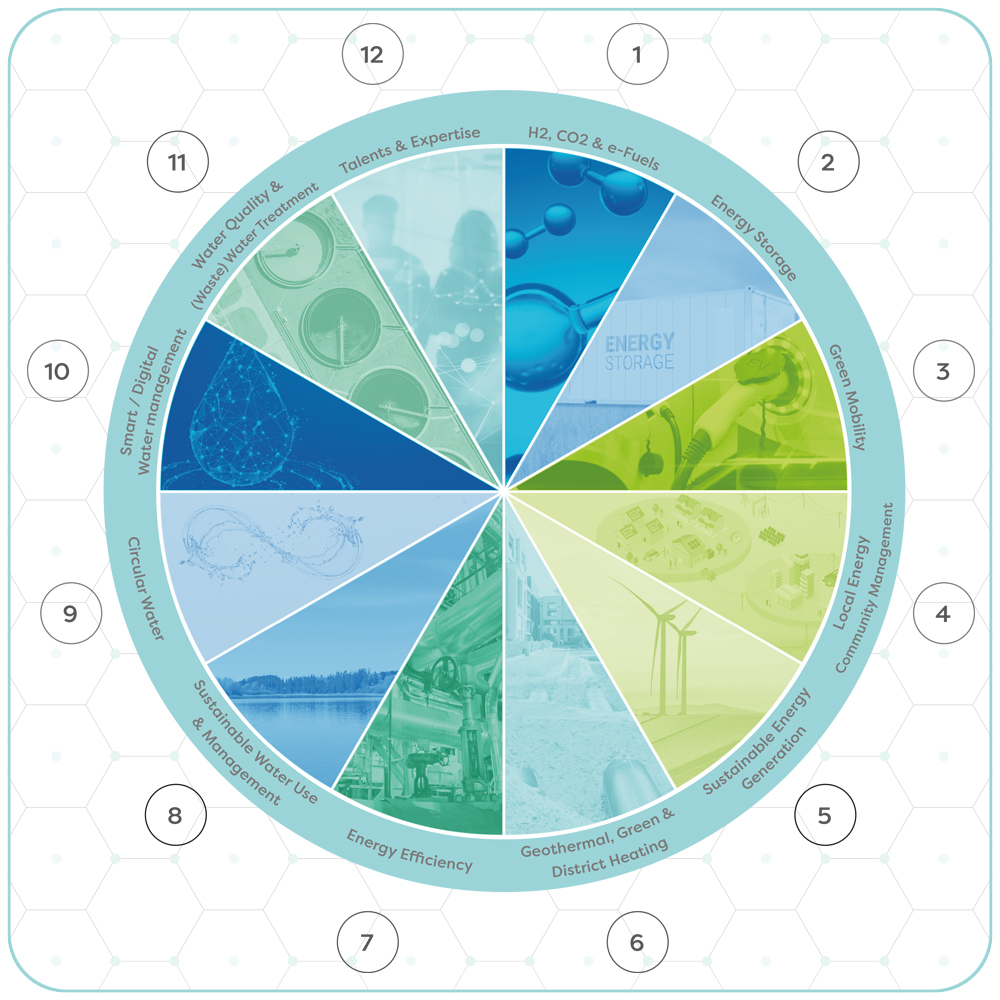
Our 12 topics
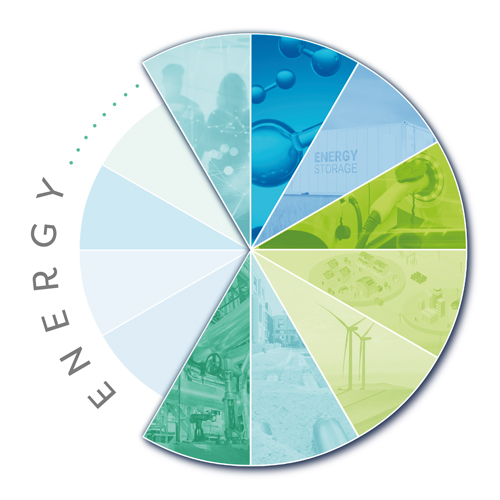
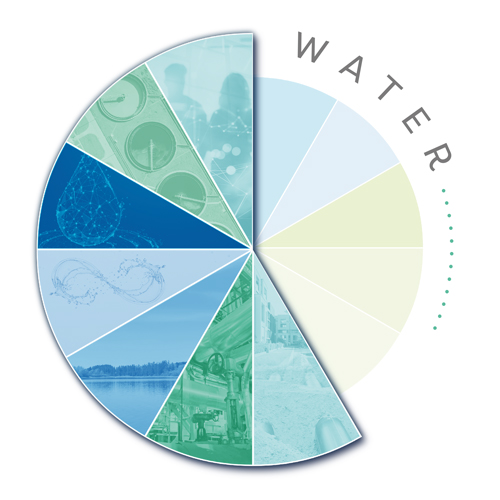
The two sectoral clusters TWEED and H2O represent more than 250 members and play a catalytic role in promoting and coordinating sectors with high added value and high potential for expertise and export in the fields of energy and water in Wallonia.
The structuring of sectors crystallises around 12 priority topics, each of which brings together different issues, challenges, ecosystems of actors, value chains, partnerships and projects.
1• H2, CO2 & e-Fuels
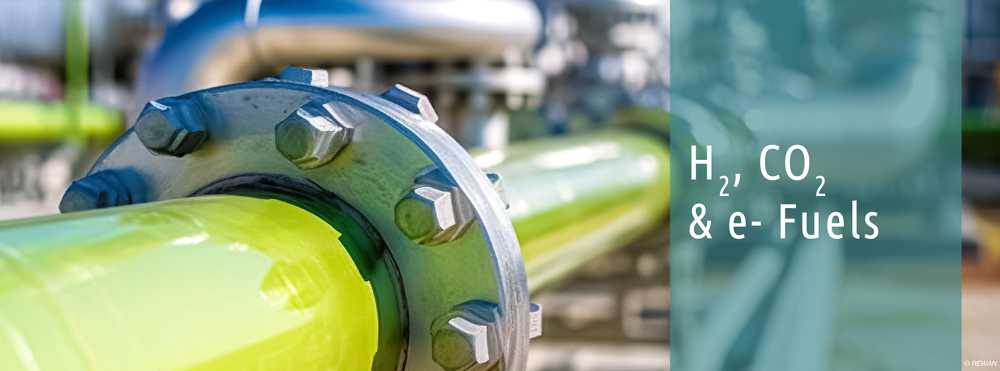
Driven by Europe as part of the Green Deal, and forming part of the various recovery plans at the Belgian and European levels, the development of green hydrogen sectors and CO2 capture, transport and storage are in the starting blocks in Europe and Wallonia.
Learn more >2• Energy Storage
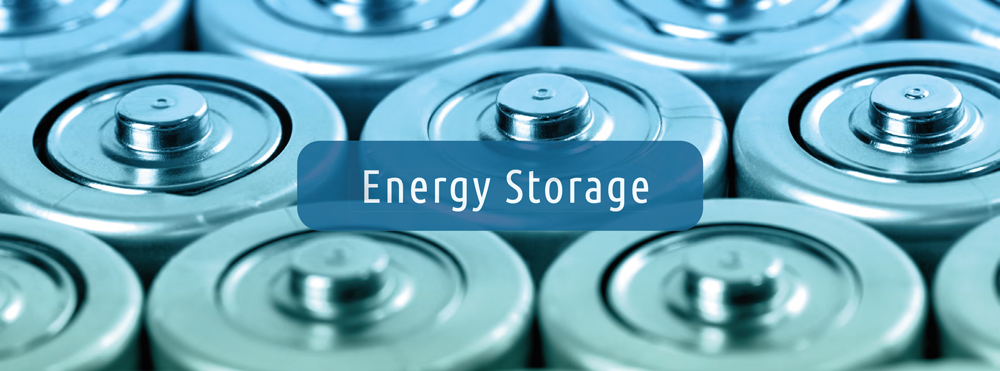
Energy storage is an essential pillar to ensure resilience and energy independence in renewable ecosystems. This fast-growing sector offers high added value and plays a key role in technical and economic terms.
Learn more >3• Green Mobility
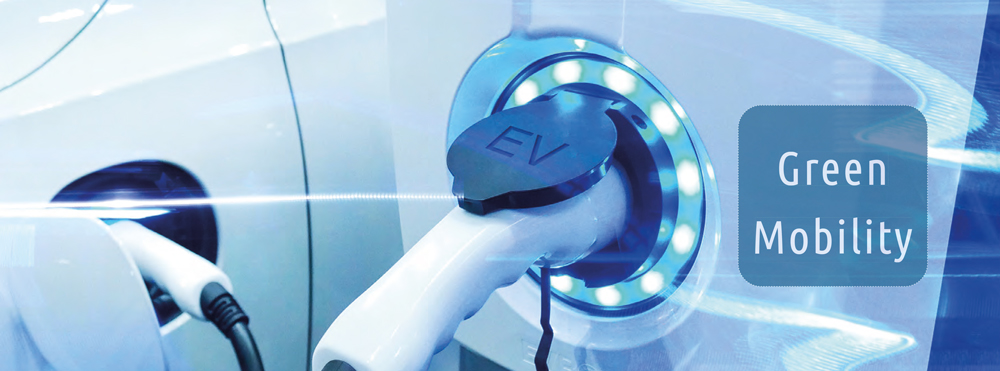
Mobility is a key issue in the energy transition, generating nearly 25% of Wallonia’s emissions. Heavy and light mobility, the two main sources of emissions, are expected to be largely electrified in the coming years.
Learn more >4• Energy Management
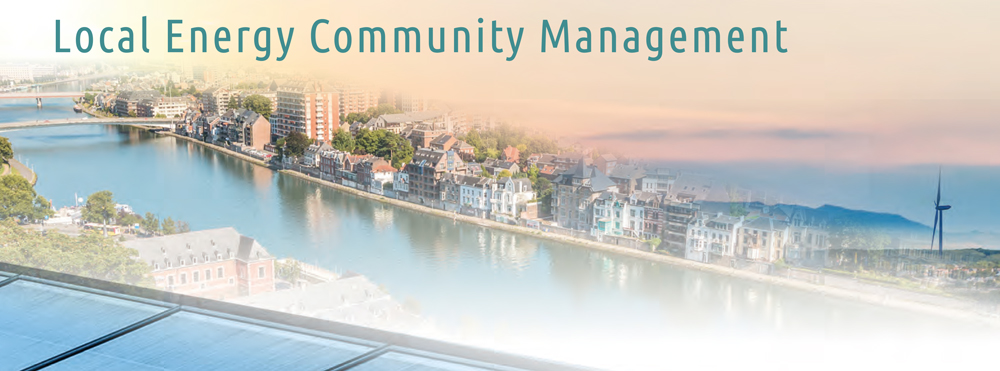
Local energy management is a key lever of the energy transition. New models of consumption, production and sharing must be structured and validated to demonstrate the concrete economic, social and environmental benefits.
Learn more >5• Sustainable Energy
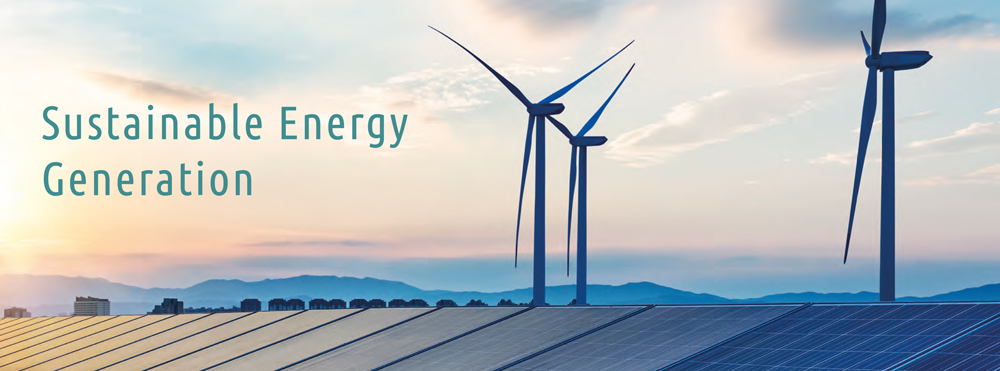
Current renewable energy production methods need to be improved, whether at the level of manufacturers, installers, converters or storage and distribution modules.
Learn more >6• Green Heat
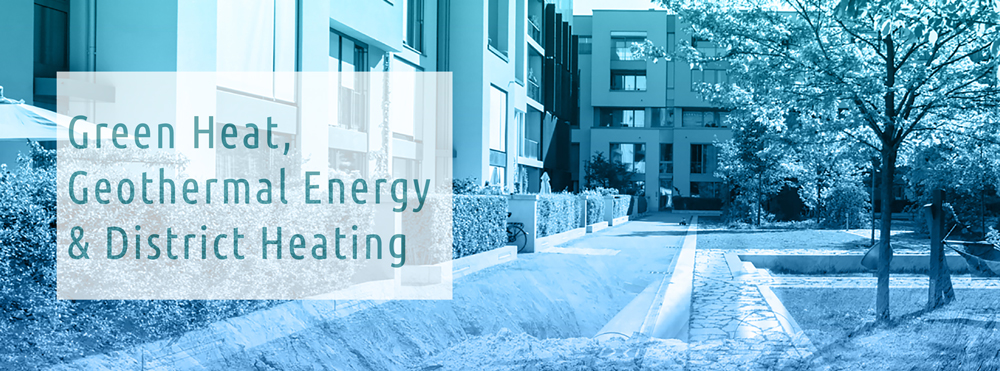
The production, distribution and use of green heat have been strongly boosted by the Recovery Plan. The deployment of the sector continues thanks to a favorable and more precise legislative framework but also to numerous calls for projects.
Learn more >7• Energy Efficiency
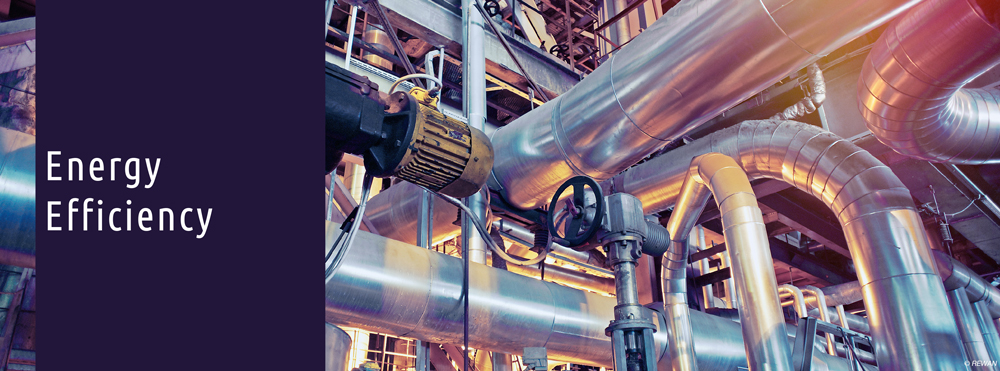
Industry, the residential sector and the tertiary sector generate a large part of Wallonia’s CO2 emissions. Increasing the energy efficiency and carbon neutrality of building fleets is necessary to achieve a decarbonised economy by 2050.
Learn more >8• Water Use Management
In a context of climate change, the frequency of extreme weather events is expected to increase. To face these challenges, our territory must become resilient and our resource management practices must be rethought.
Learn more >9• Circular Water
Sustainable water management offers multiple opportunities for economic development. It will be a matter of capitalizing on the results of Circular Water Wallonia by working to establish a favorable framework for water circularity practices.
Learn more >10• Smart / Digital Water
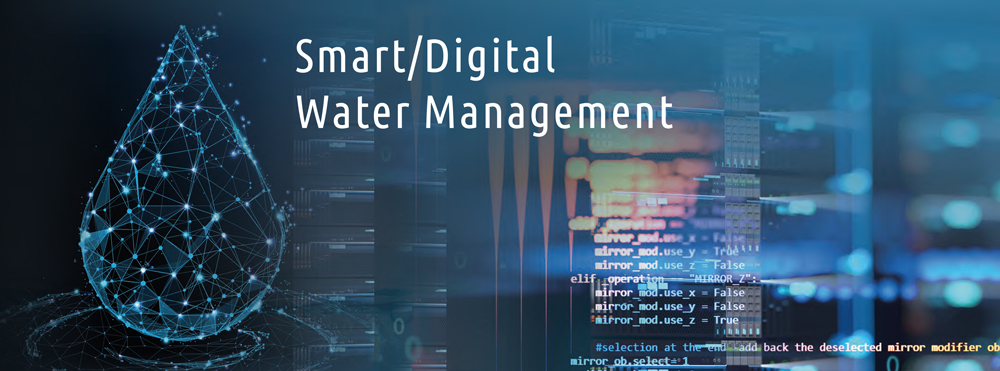
Digitalization and intelligent data processing are major challenges for improving water cycle management and ensuring the economic performance of our companies.
Learn more >11• Water Treatment
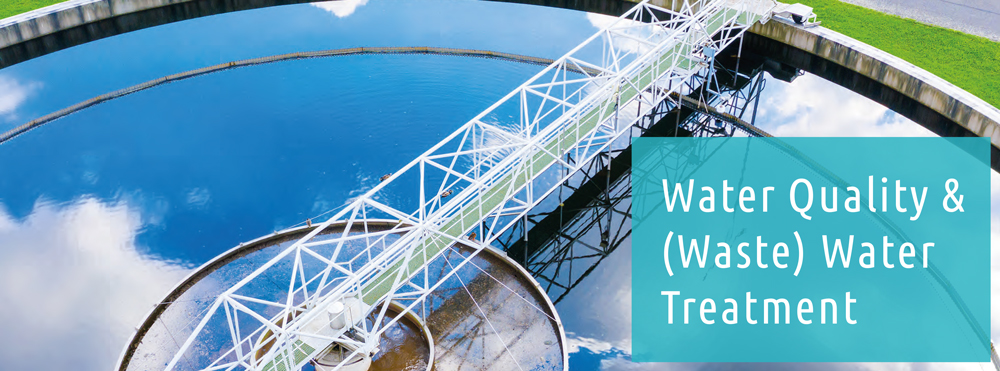
One of the main challenges in water treatment concerns micropollutants, which are not treated by current wastewater treatment plants and represent a danger for human health and ecosystems. The challenge of micropollutants therefore offers new opportunities to the sector.
Learn more >12• Talents & Expertise

Belgium is facing a significant labour shortage and the disparity between supply and demand continues to increase. The attractiveness of the water sector must be strengthened by the implementation of dedicated training courses.
Learn more >Certain topics, more mature, have given rise to dedicated ecosystems.
Resources
You will be able to find in these documents more information on these themes.