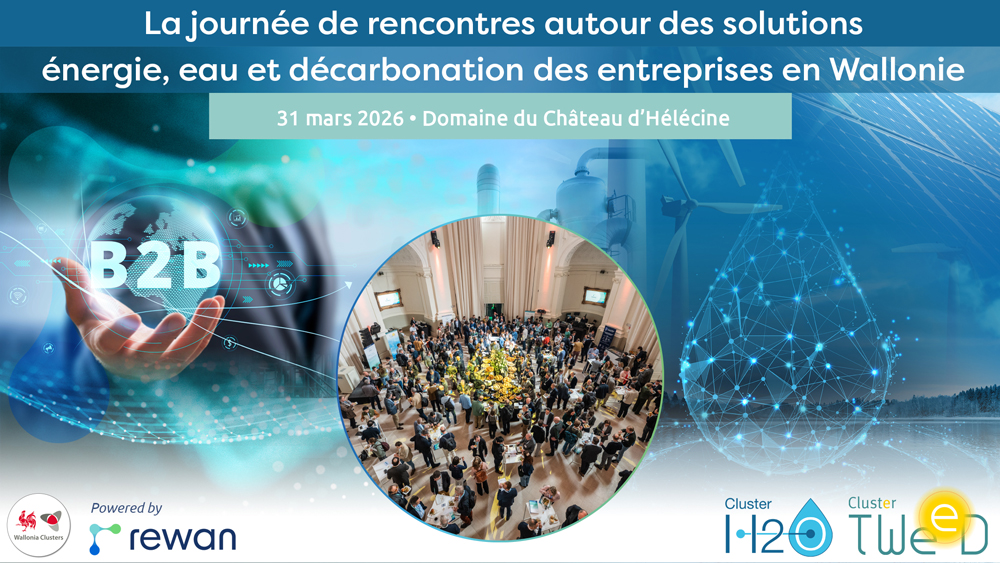
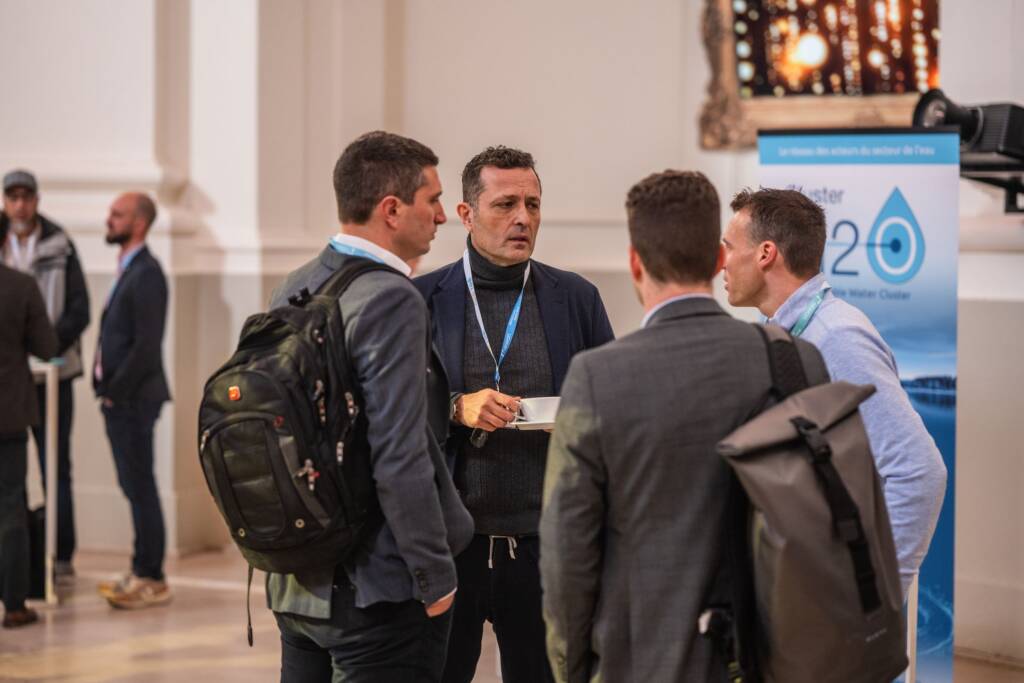
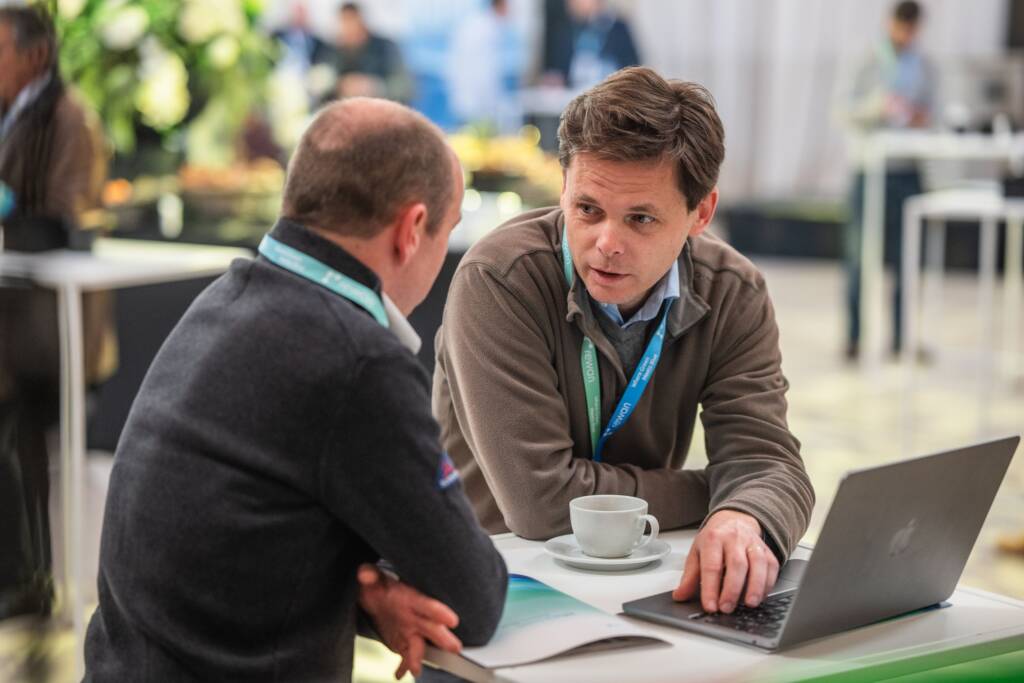
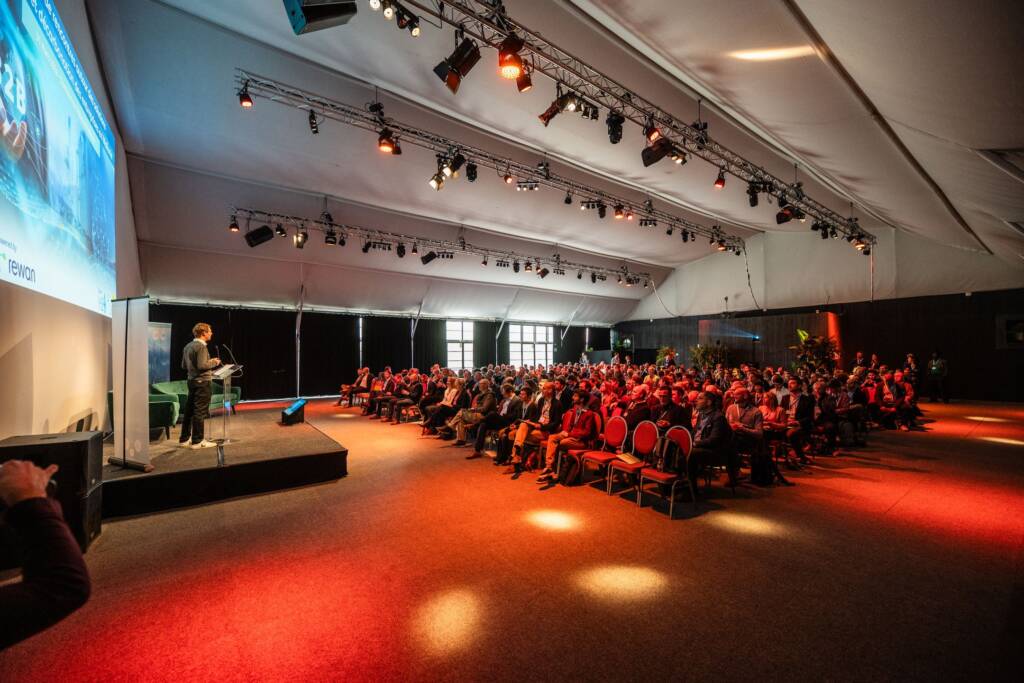
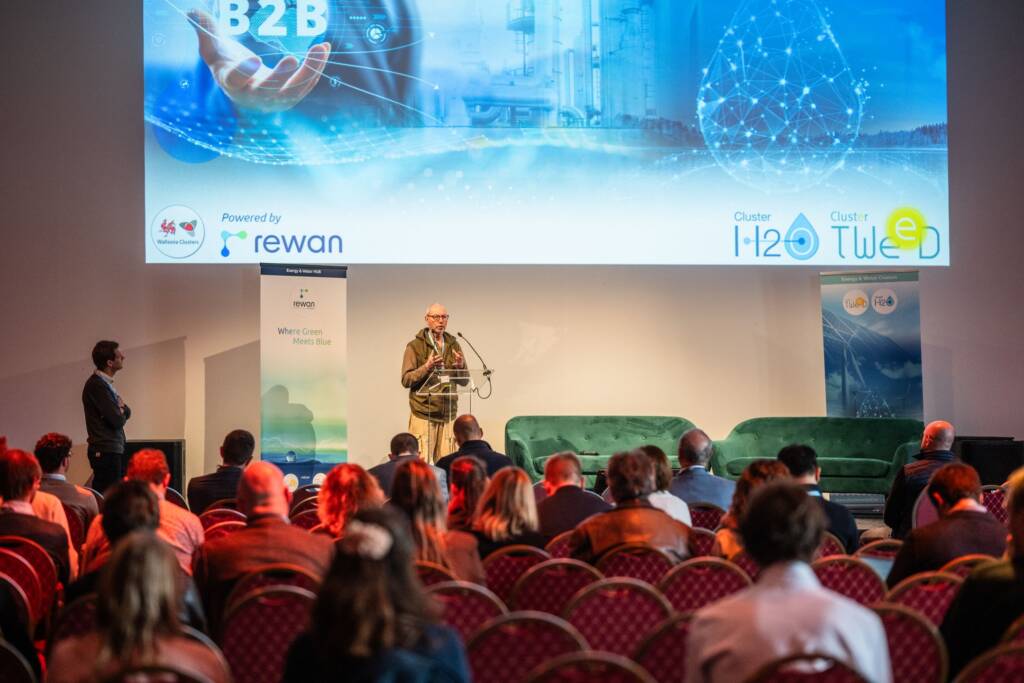
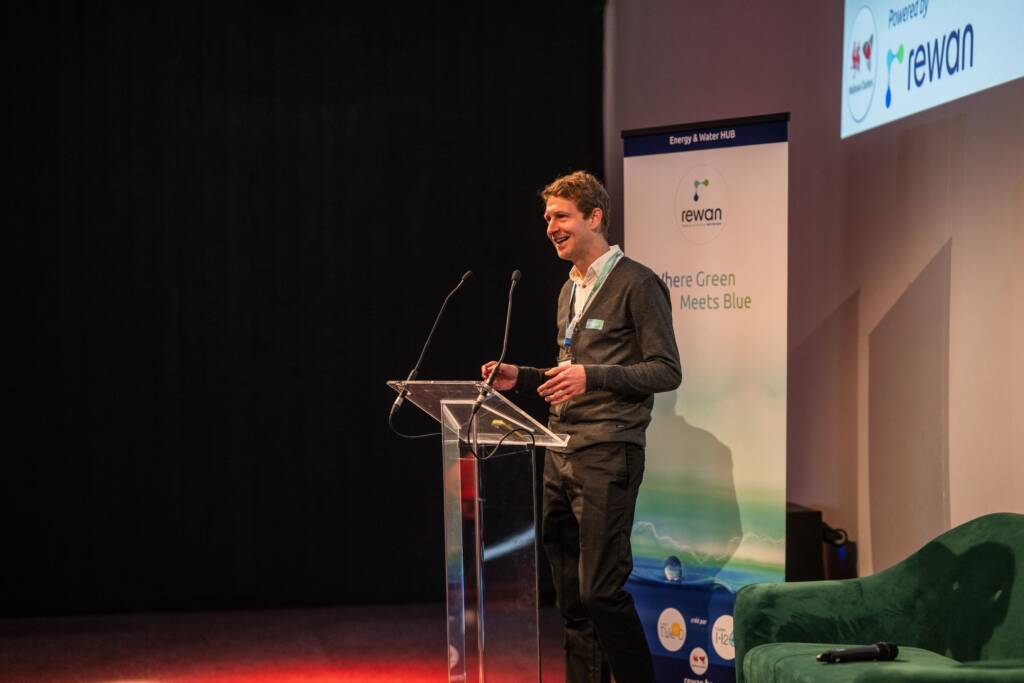
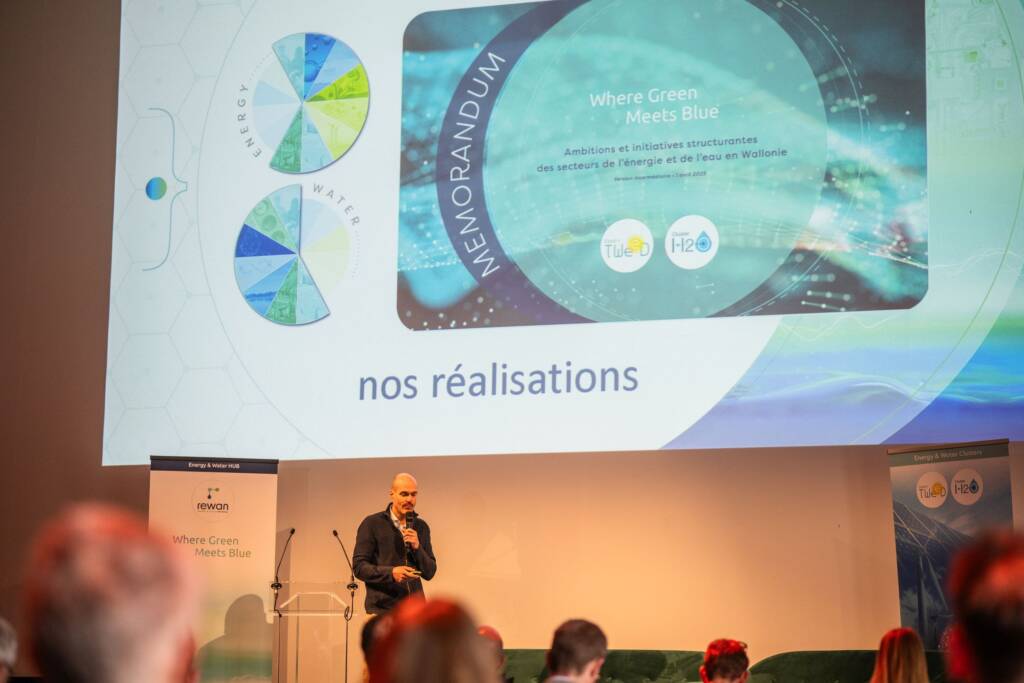
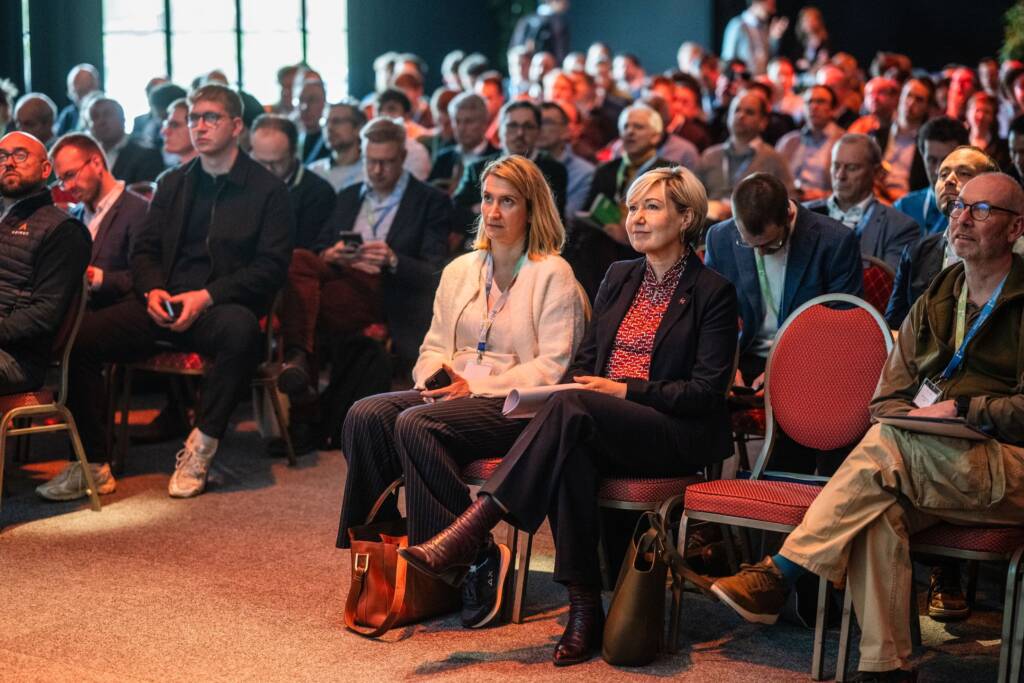
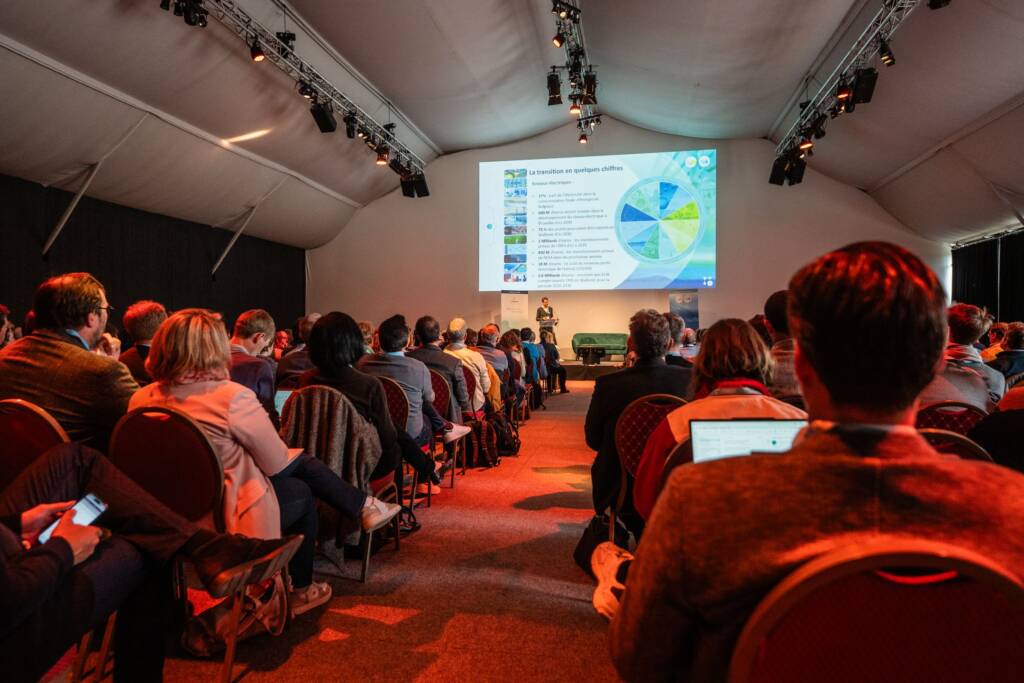
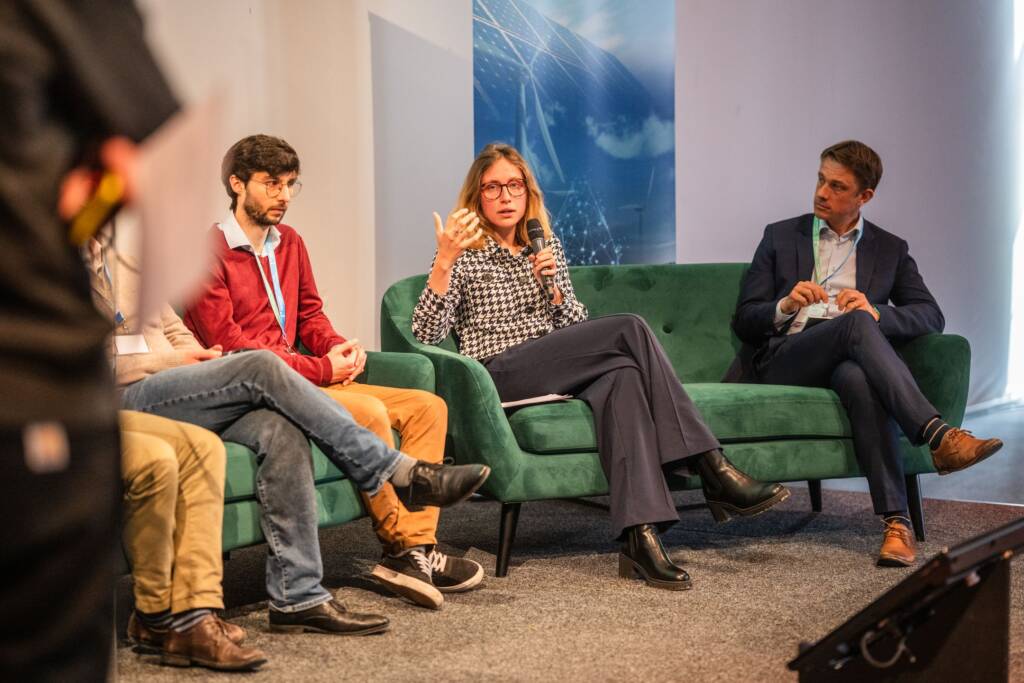
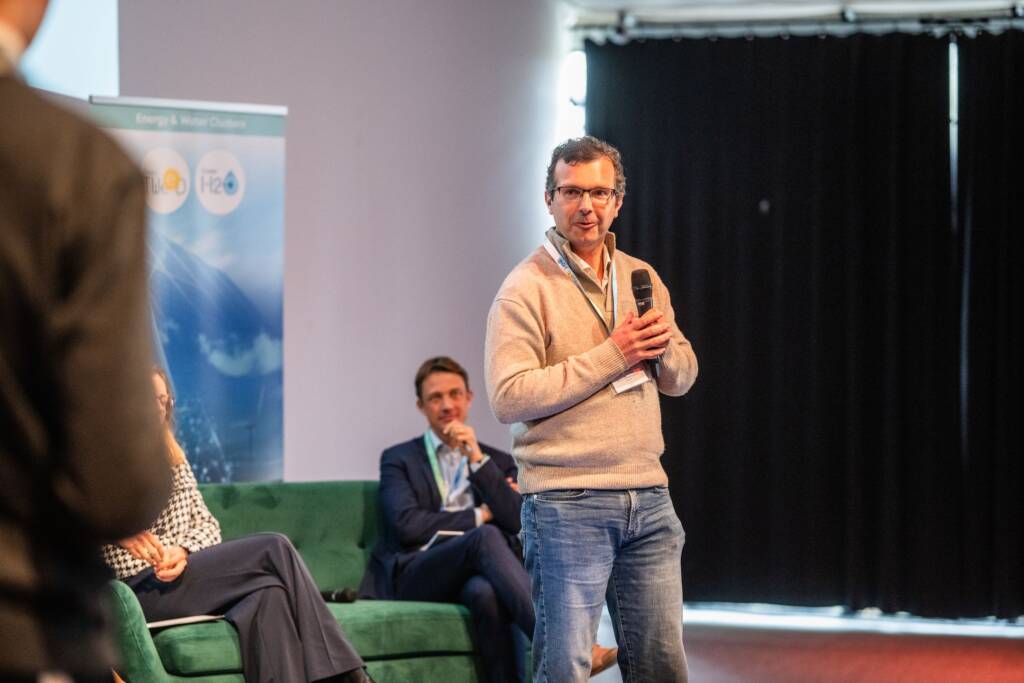
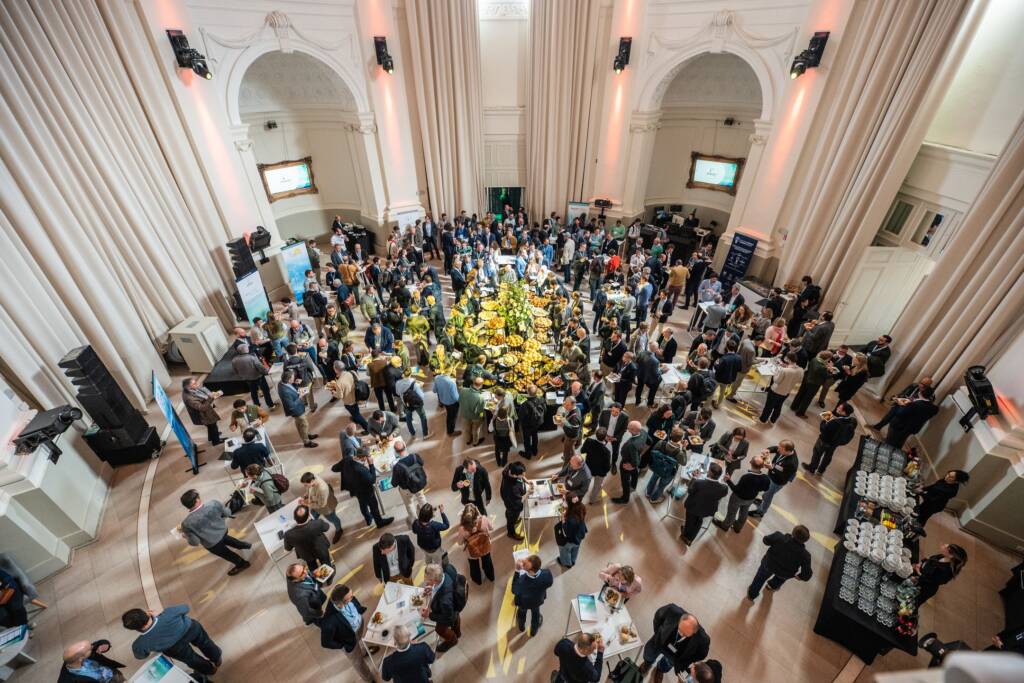
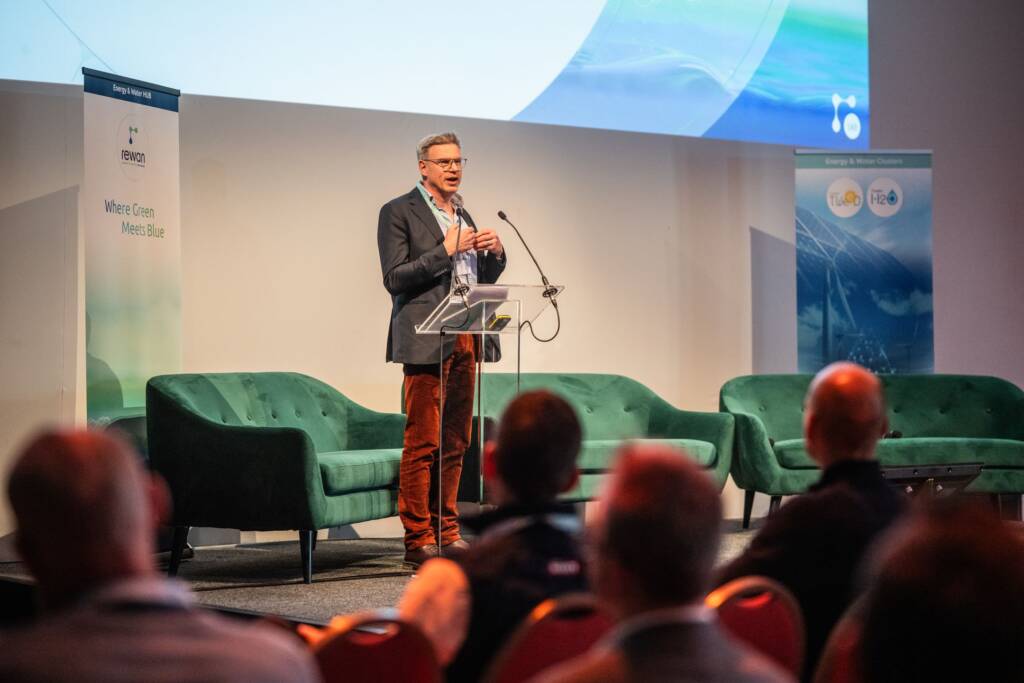
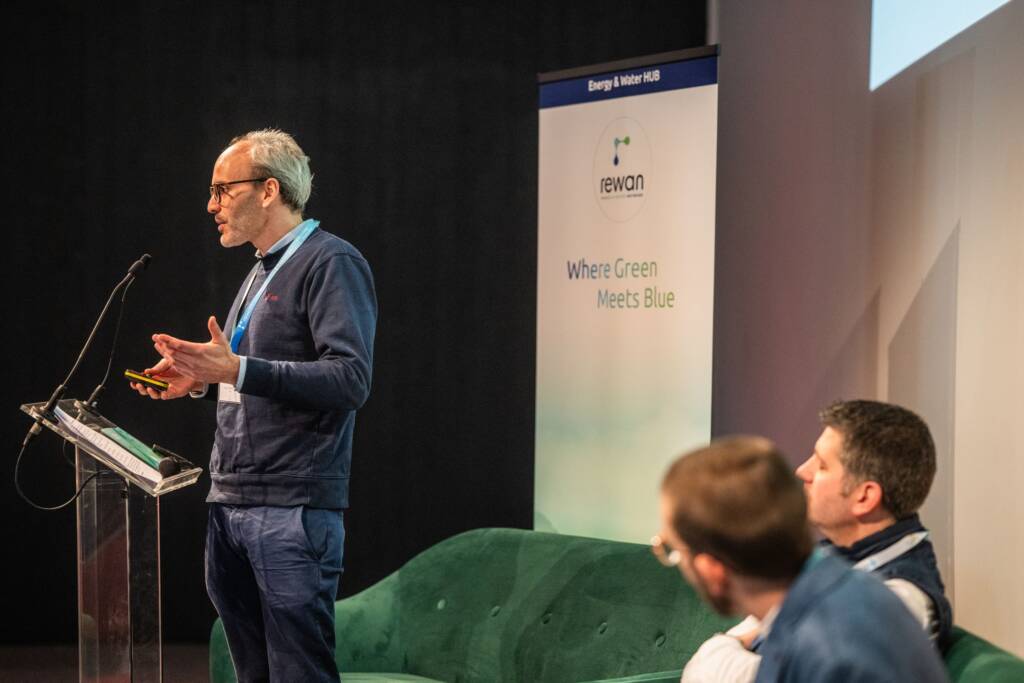
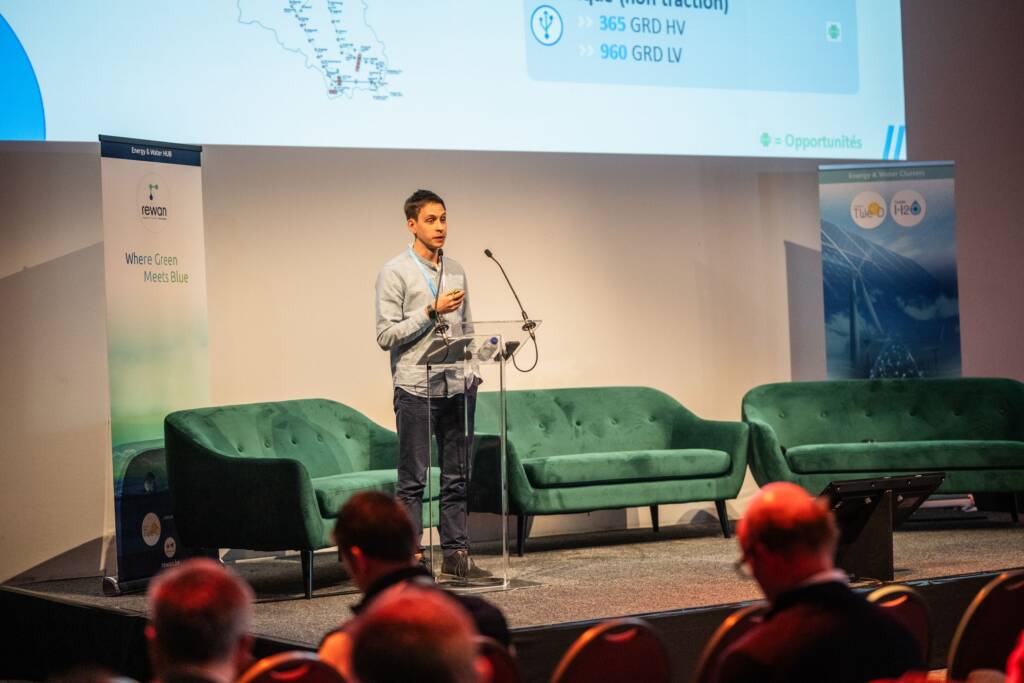
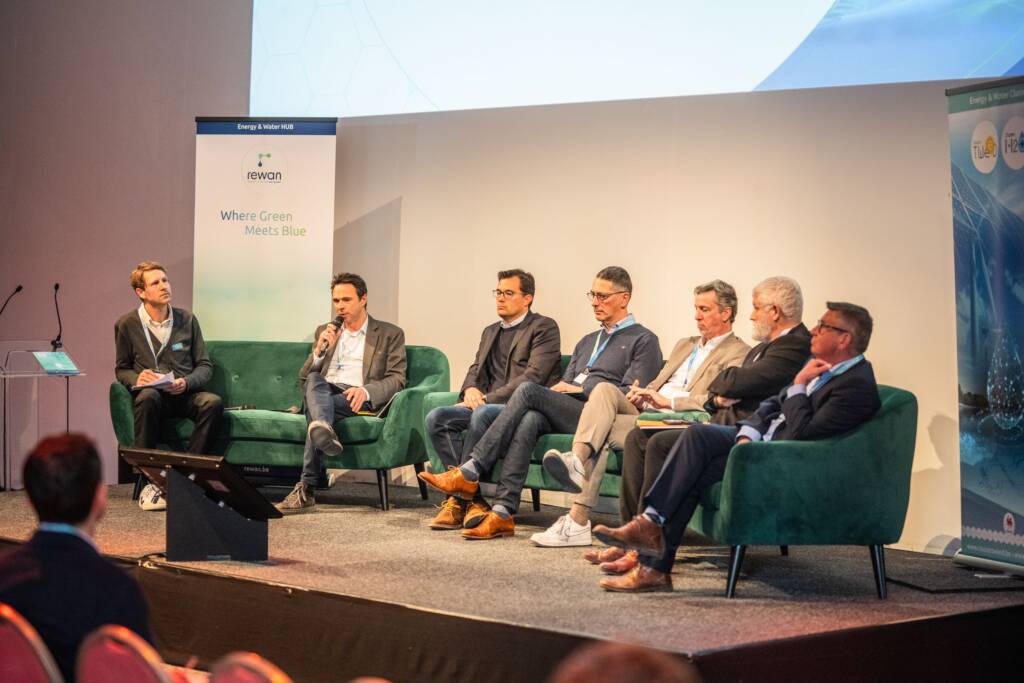
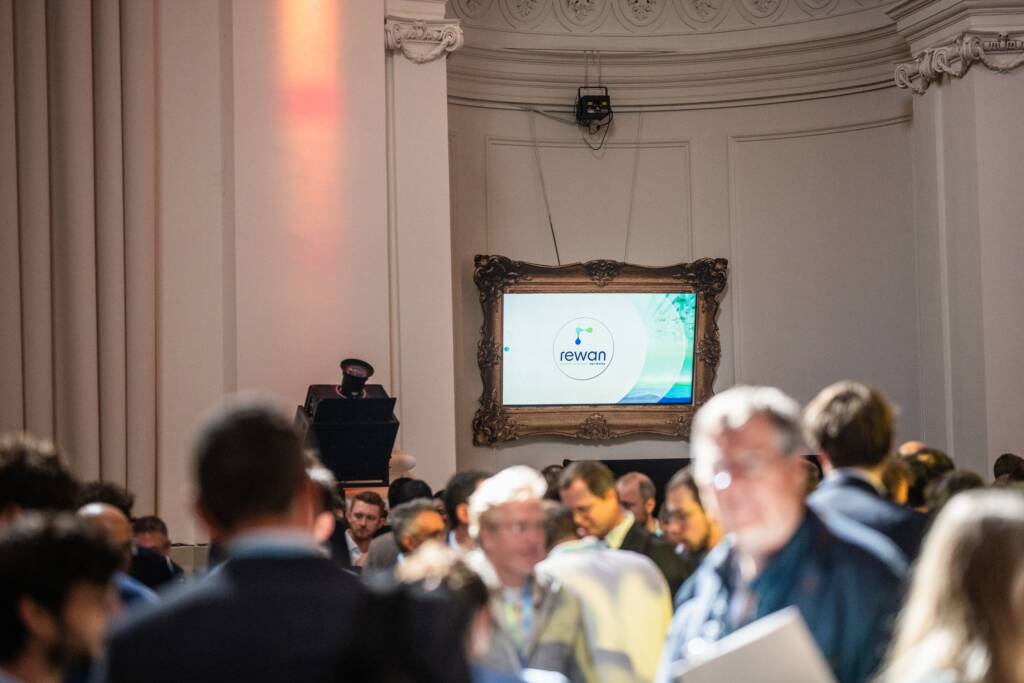
Nearly 350 professionals from the energy and water sectors attended the event. This figure demonstrates the tangible interest in our clustering activities.
An event and a team that are clearly gaining momentum… What a whale of an event!
It was a packed day focused on taking action to decarbonise:
A packed, action-oriented day focused on decarbonisation:
- The impacts of climate change on our sectors
- Industrial decarbonisation plans (focus on tech and agri-food)
- Exchange of best practices with France and ADEME
- Emerging solutions for the defossilisation of industry
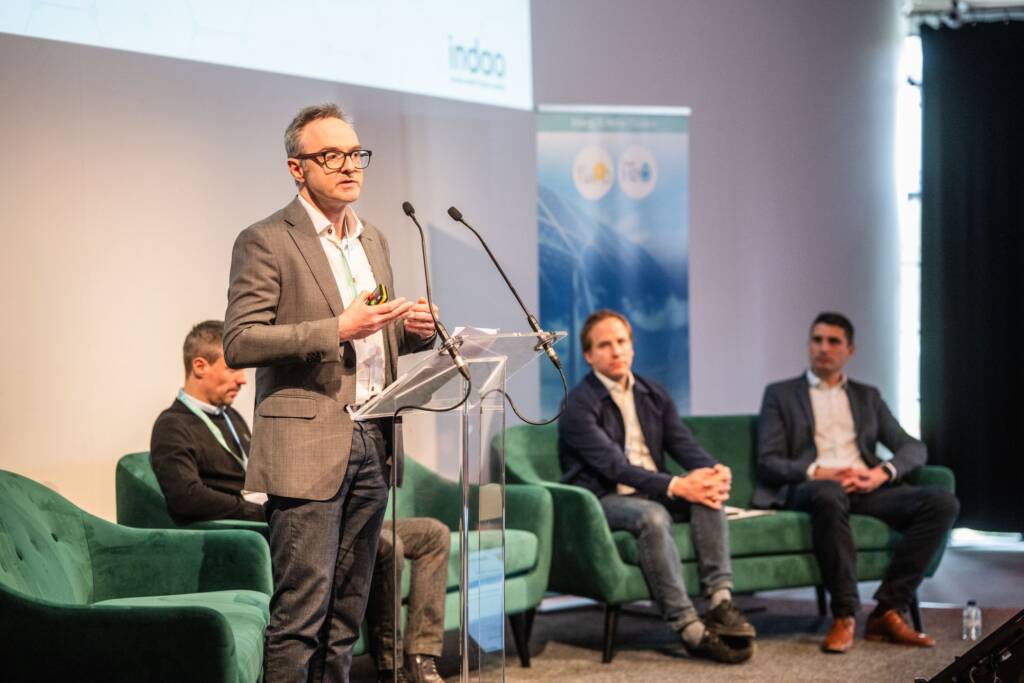
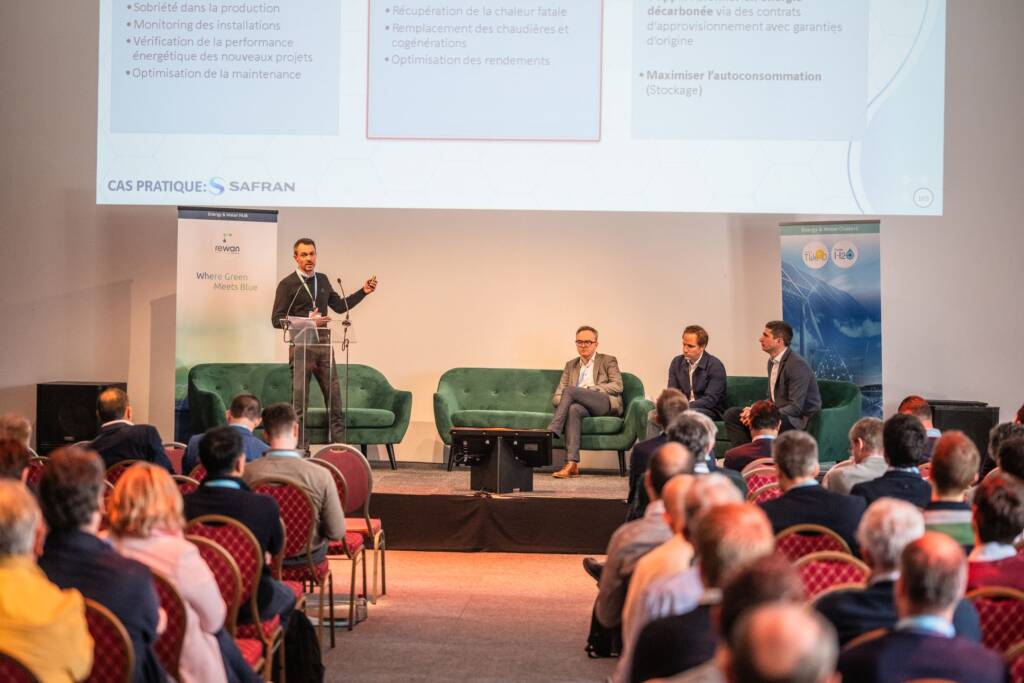
- 7 concrete use cases already deployed in the field
- Focus on rail infrastructure
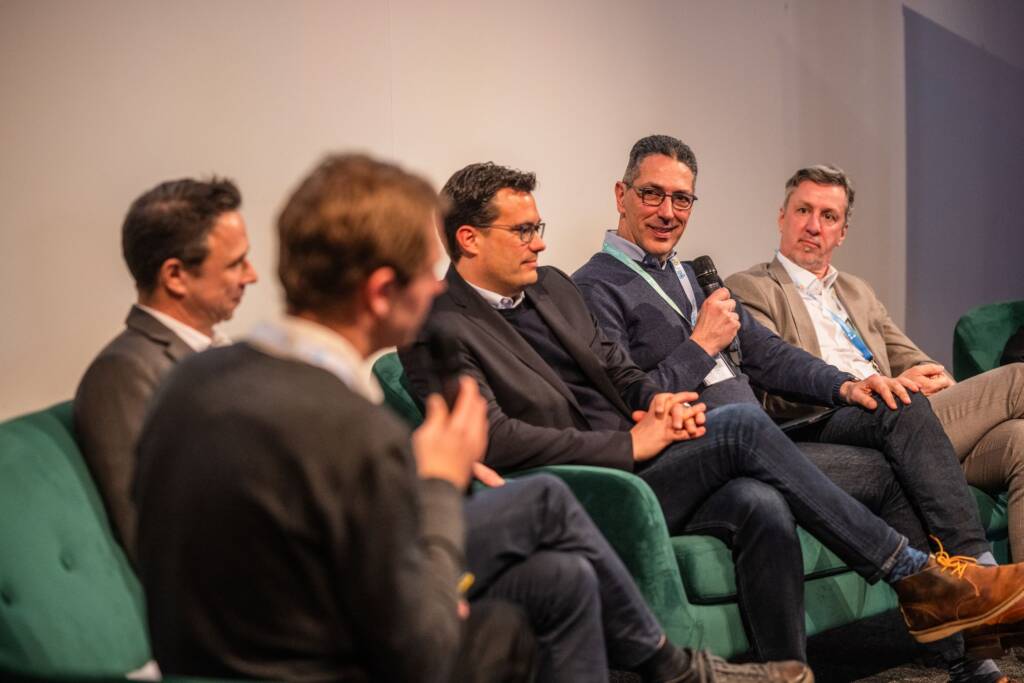
- Discussions on infrastructure challenges and their financing
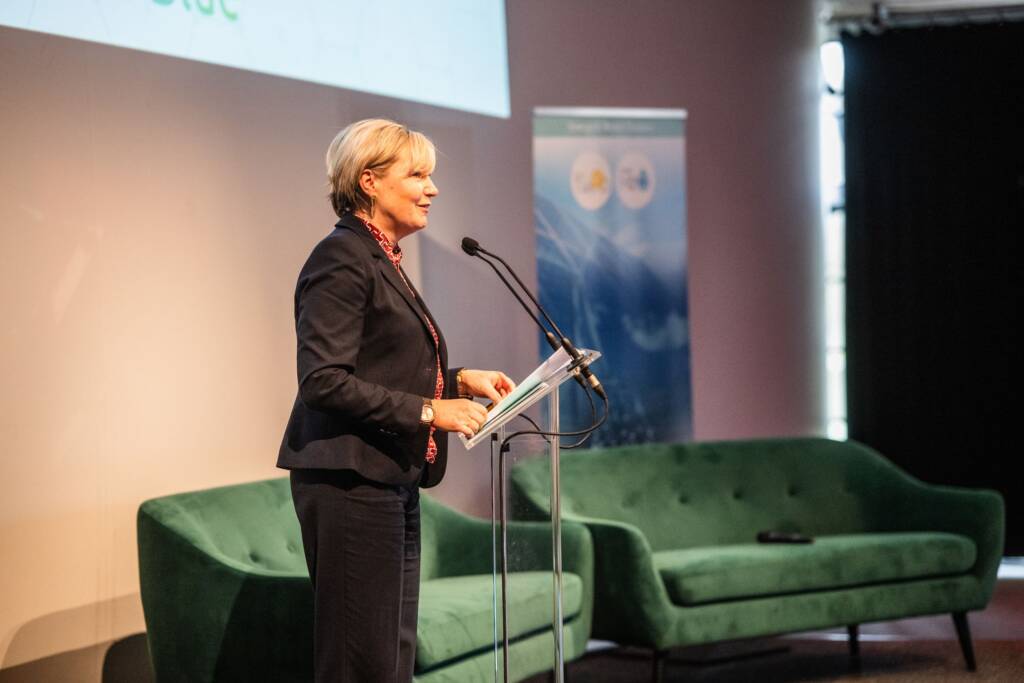
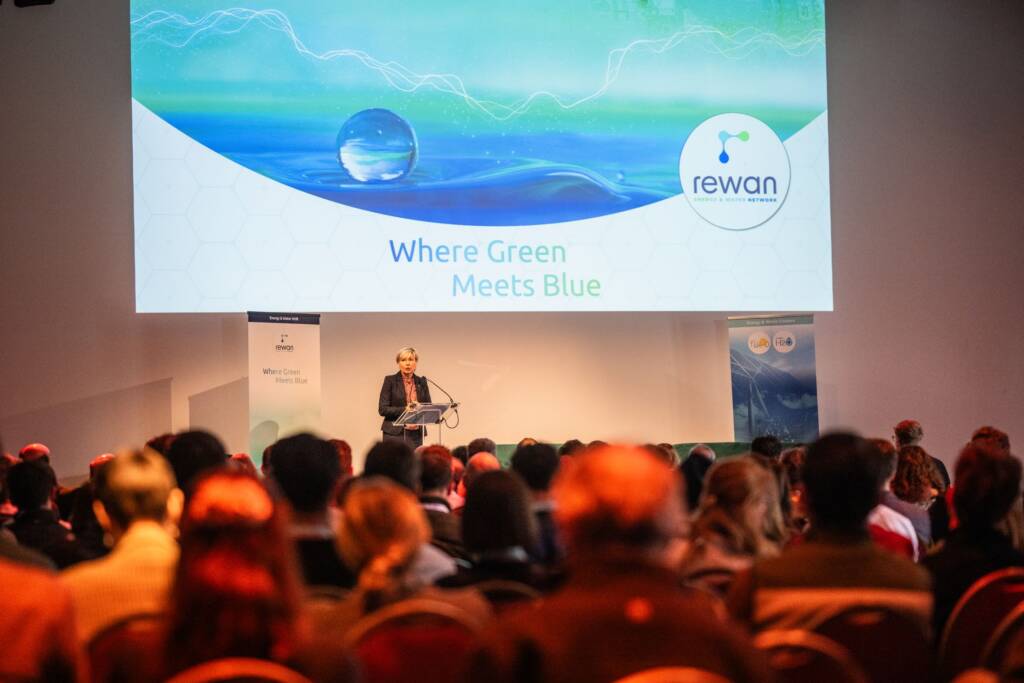
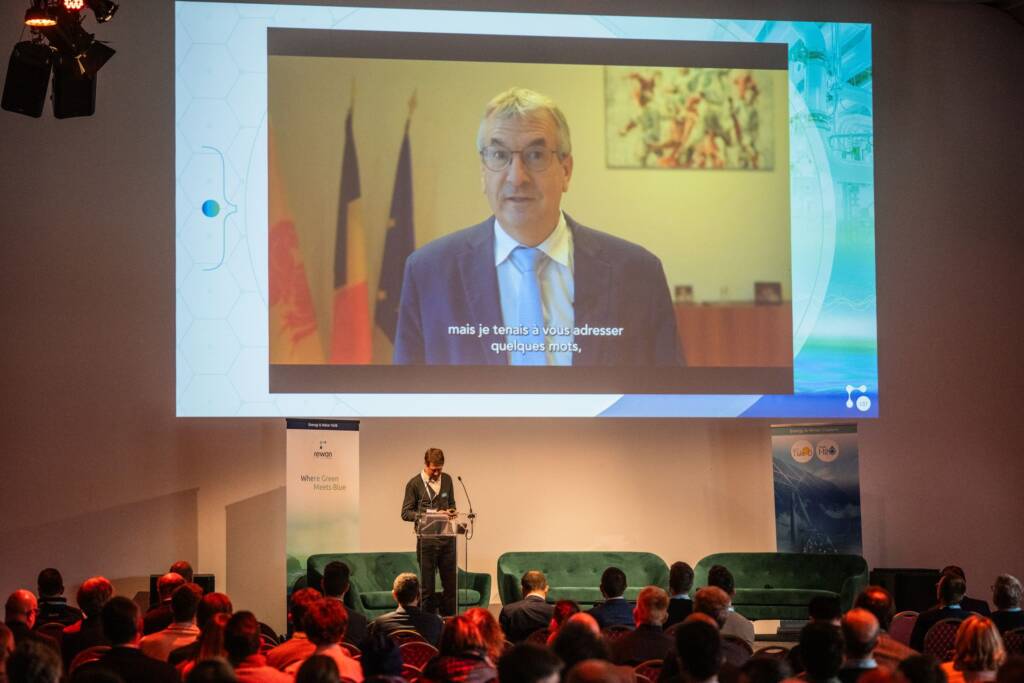
We would like to thank Energy Minister Cécile Neven for her enthusiastic opening remarks at today’s event, which were entirely focused on the energy sector’s transition.
Wallonia has indeed opted for a pragmatic approach, combining carbon agreements, support for businesses, and a multi-sector strategy based on decarbonized electricity, heat, and low-carbon molecules. Innovation in the energy sector is more important than ever in 2026 and must serve the market, industry, and infrastructure.
Today’s discussions and presentations—shared with participants—were largely centered on the four pillars currently guiding the Government’s actions, as the Minister noted:
First pillar: objectively assessing the state of the networks
The “Access to Networks” task force, in which the TWEED Cluster participates and reports on the sector’s requests (gathered via our Flexibility Working Group, among others), brings together DSO/TSOs, the regulator, and government agencies: its goal is to establish a precise and shared understanding of the constraints, substation by substation, and to track projects awaiting connection. This mapping will be useful for prioritizing and effectively guiding public policy decisions.
Second priority: implementing short-term solutions
The roll-out of flexible connections is now a key means of rapidly freeing up capacity in congested areas. By combining guaranteed capacity with capacity that can be adjusted according to grid conditions, this approach enables numerous industrial and energy projects – particularly battery projects – to move forward without having to wait for major grid upgrades.
Third priority: preparing structural reforms
Changes are underway to optimise the use of existing capacity: reducing and clearing queues, recovering under-utilised capacity, increased use of flexibility, and adapting grid access rules—currently based on a ‘first come, first served’ principle—in favour of criteria such as the maturity or strategic nature of projects.
Fourth priority: anticipating future needs Network reinforcement remains essential and must be planned coherently through the Capacity Plan. This plan incorporates industrial electrification, business parks, electric mobility and new uses, in order to avoid both bottlenecks and excessive investment.
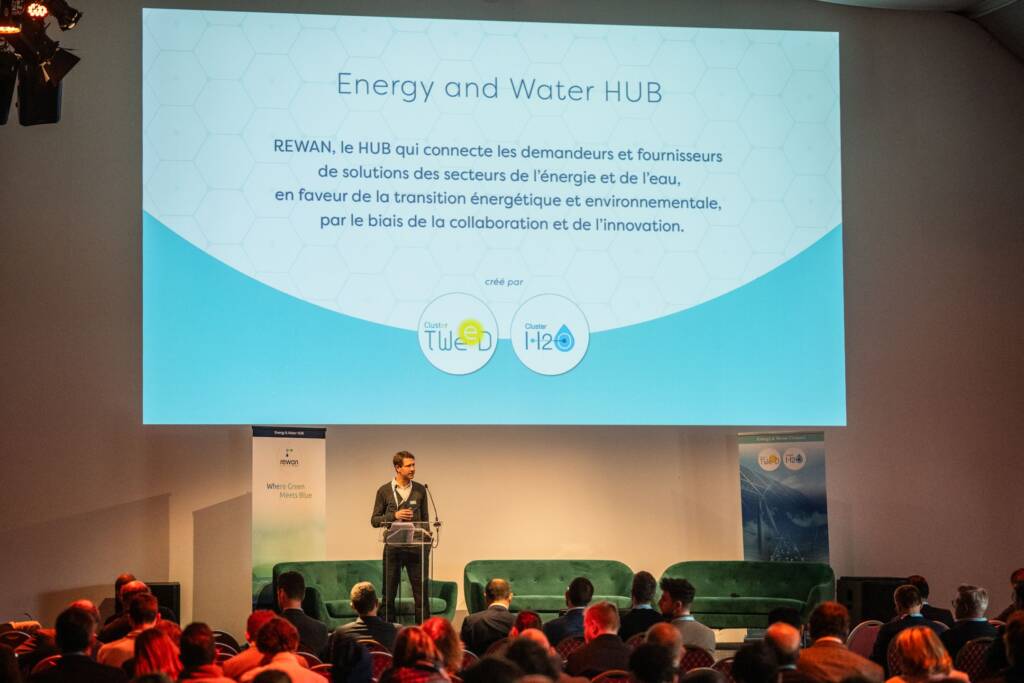
We would also like to thank Pierre-Yves Jeholet, Minister for the Economy, Industry, Employment, Training, Research and Digital Affairs, for his message of support on the launch of REWAN:
“I would like to commend the commitment of the teams at TWEED and H2O, as well as all the partners who have contributed to the creation of REWAN, a hub dedicated to connecting solution seekers and providers in the energy and water sectors. It embodies a firm conviction: the transition can only succeed if we break down silos and foster collaborative innovation.”




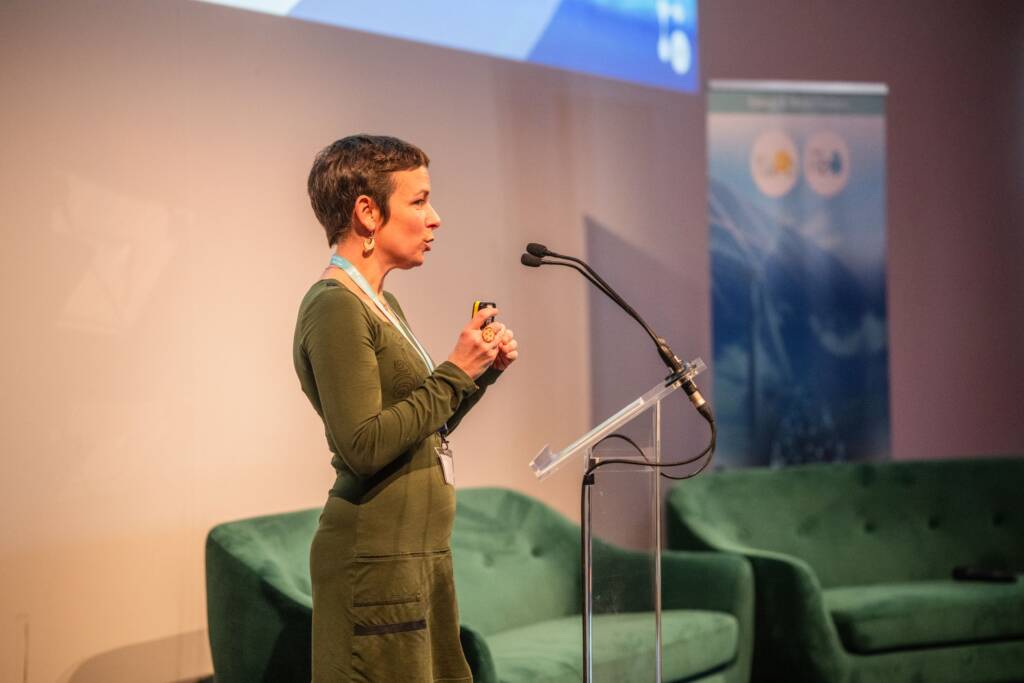
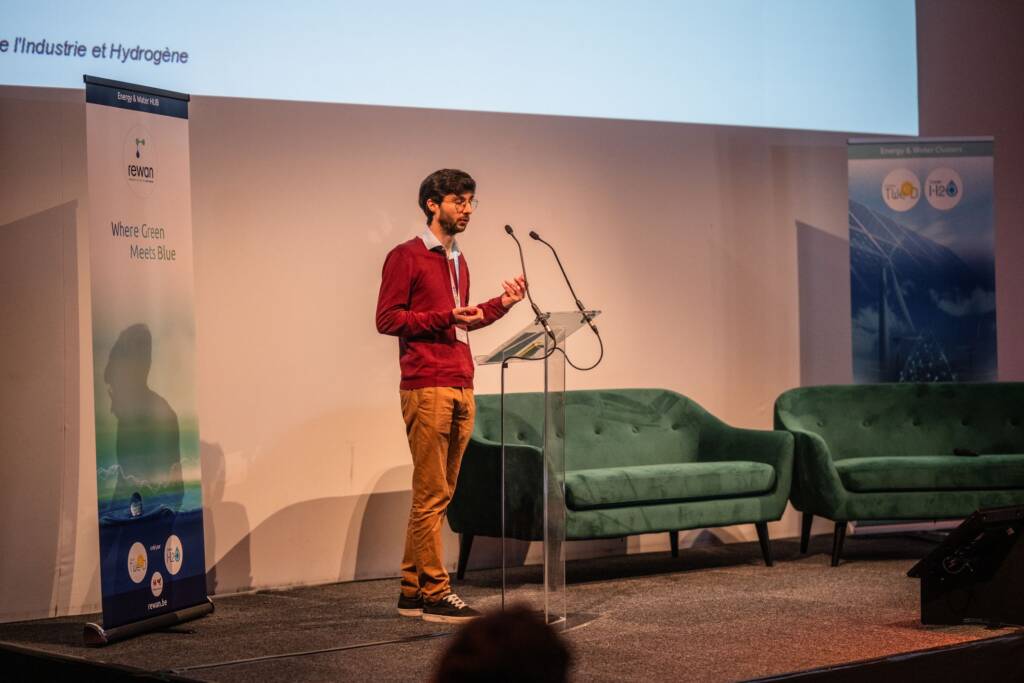
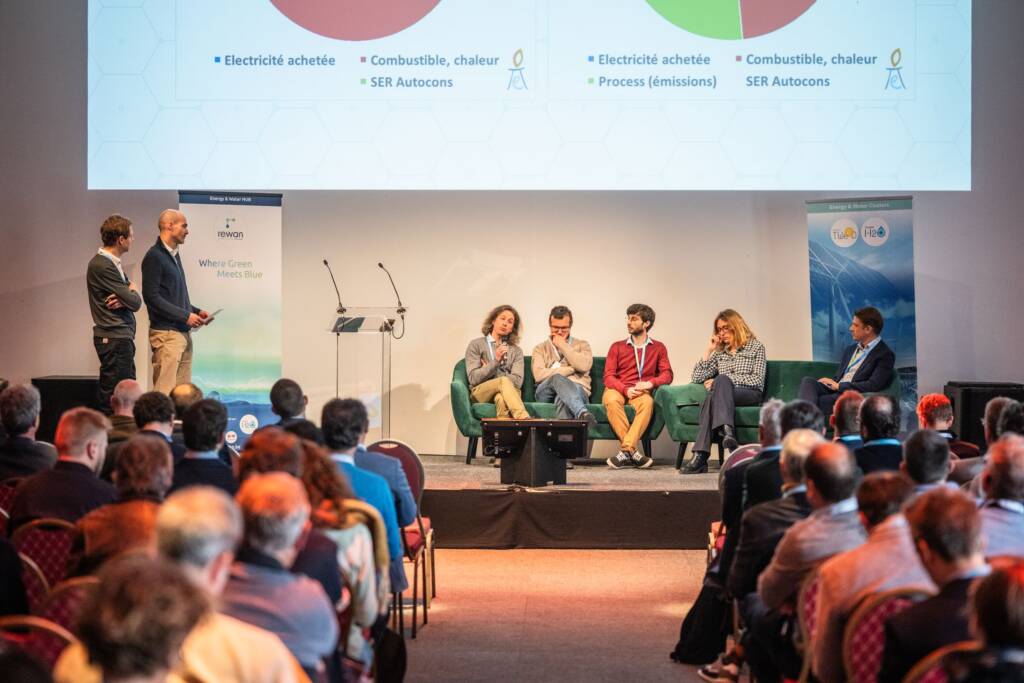
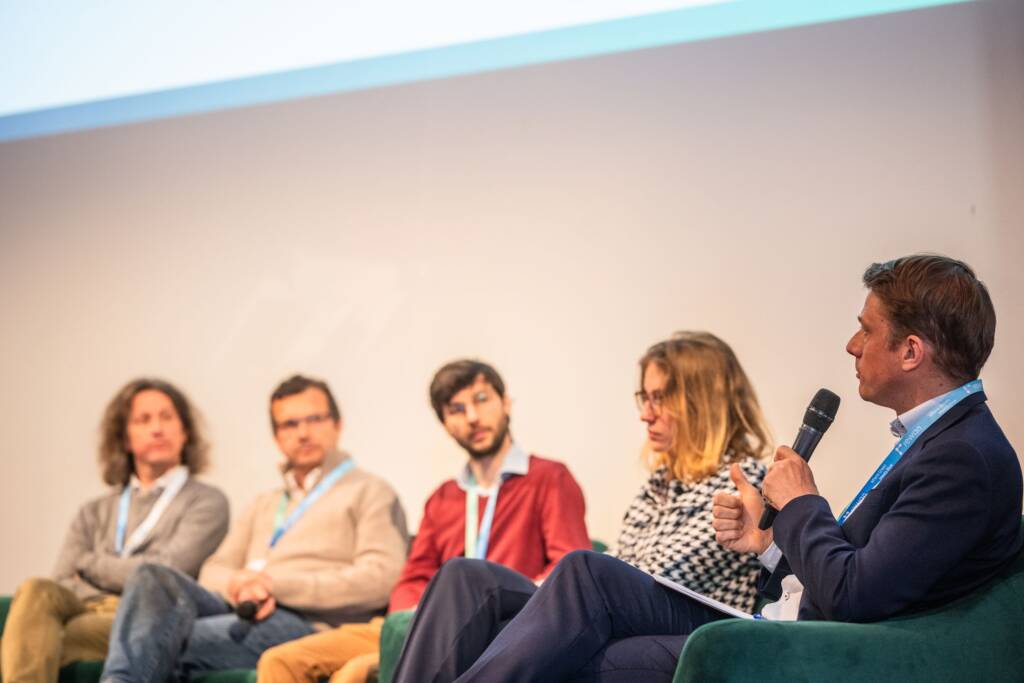


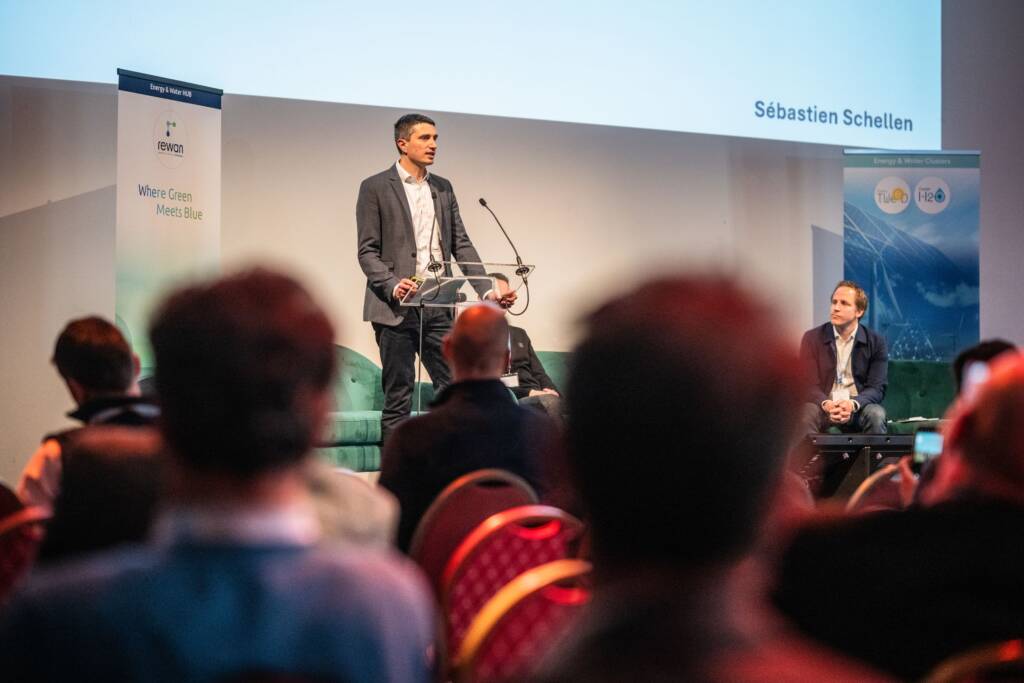
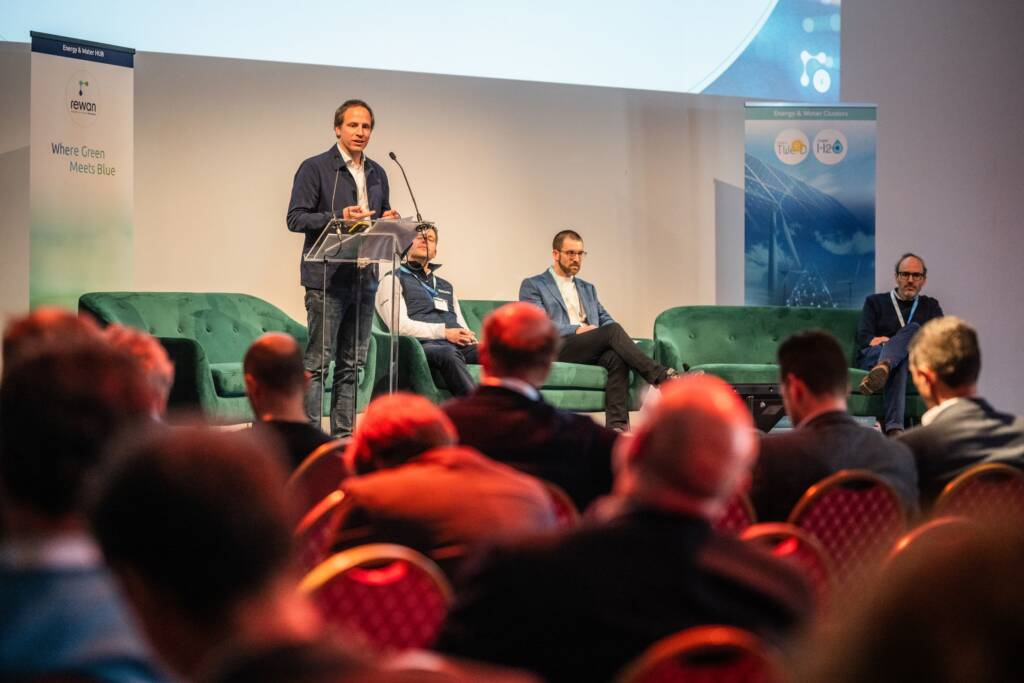
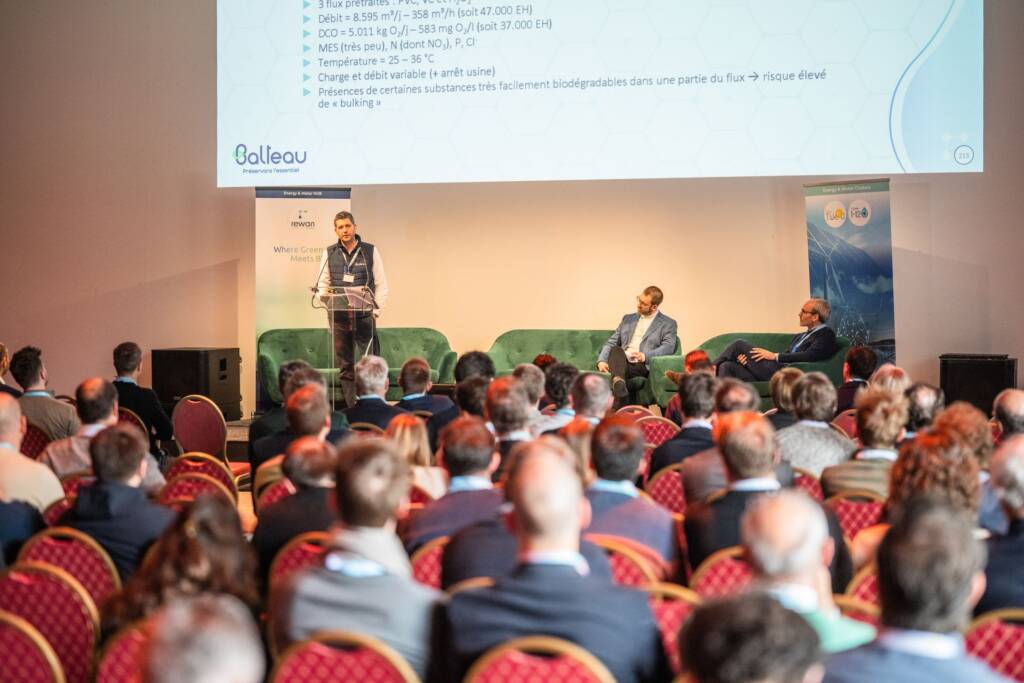
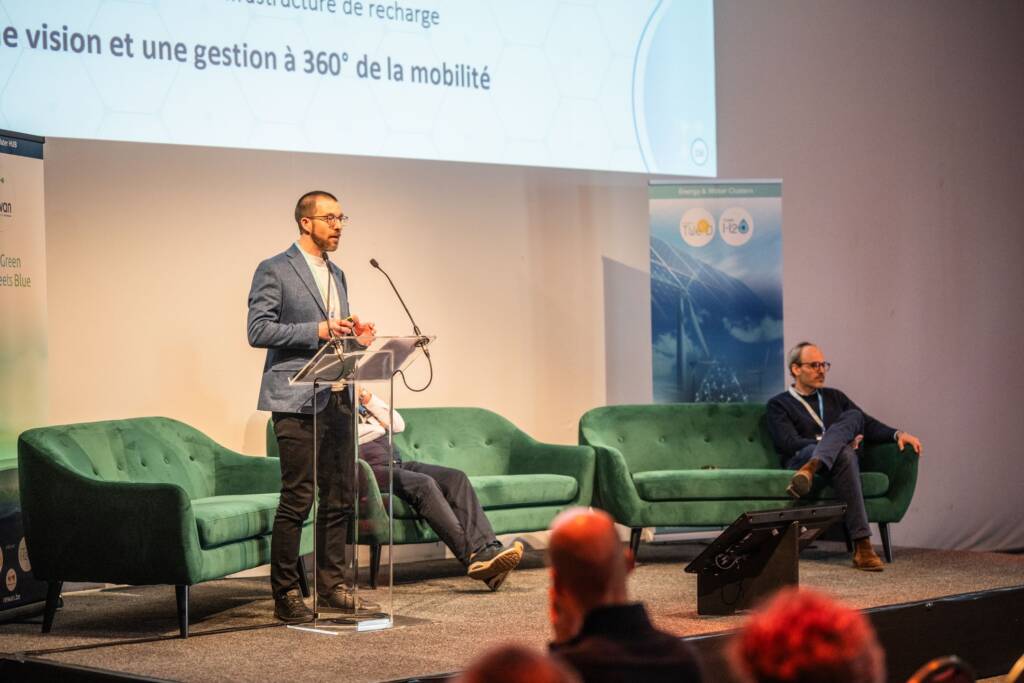
Photos credits : Anthony Lemoine