Heat2Net Ecosystem
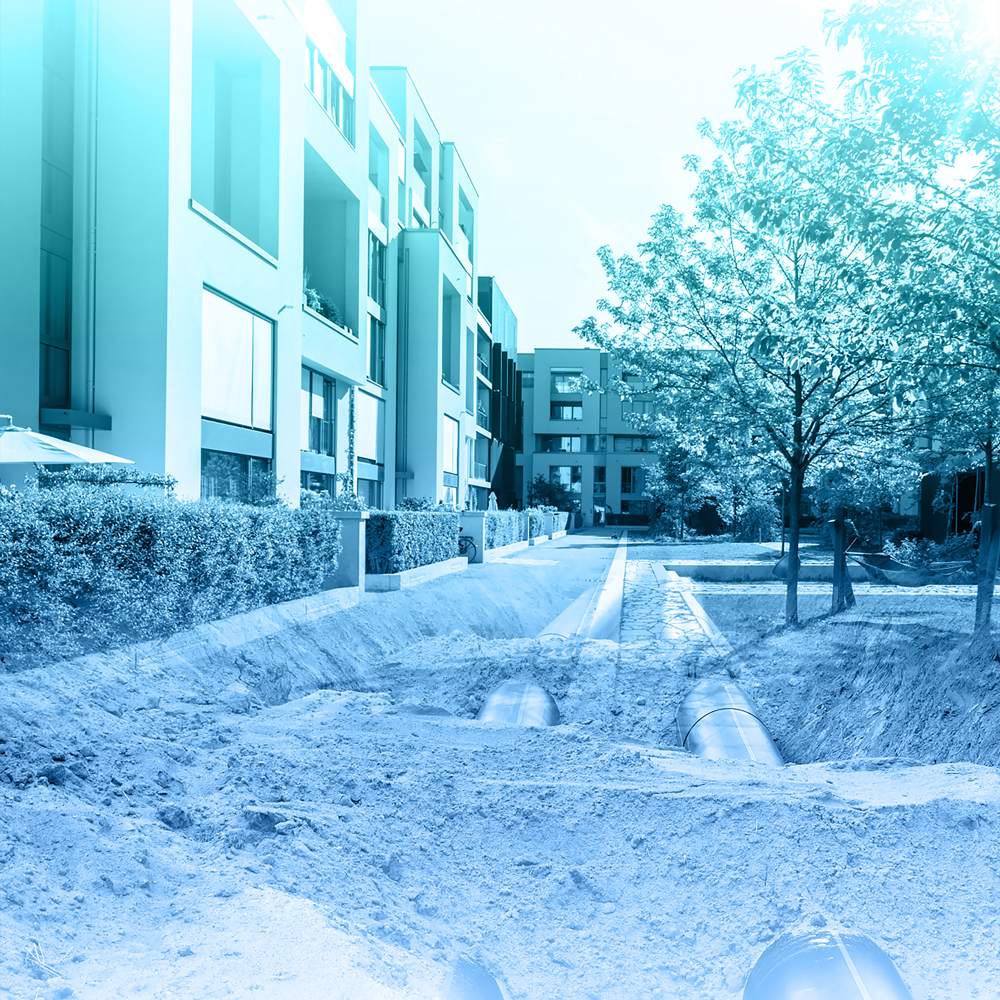
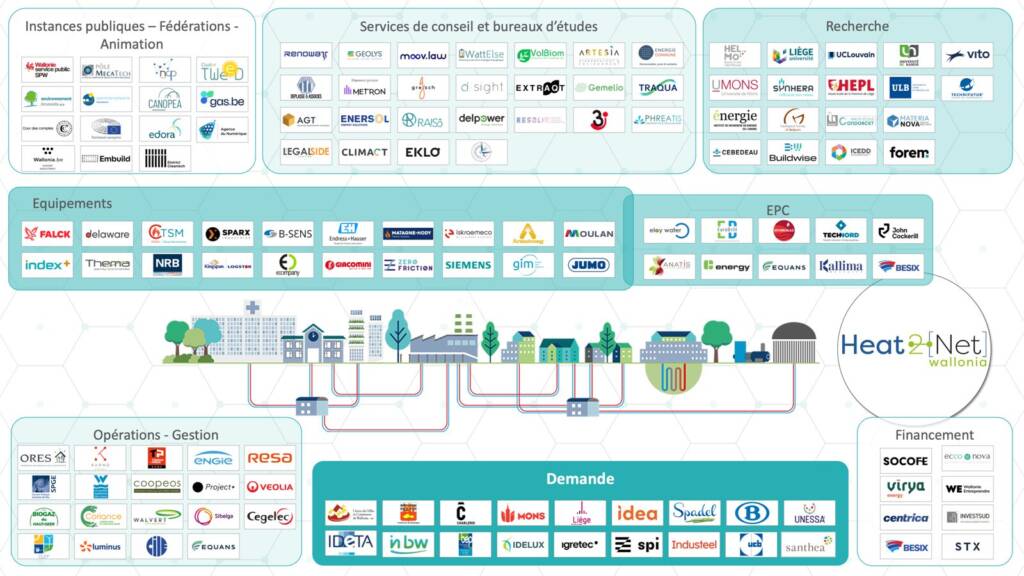
TWEED has launched and managed the Heat2Net ecosystem since 2023, specifically dedicated to renewable thermal energy, including geothermal energy and heating/cooling networks as well as the recovery of waste heat.
The objective of Heat2Net is to provide a cross-sectoral overview of the main initiatives related to the deployment of green thermal energy in Wallonia, to bring them together, and ultimately to foster the emergence of as many impactful, replicable and sustainable projects as possible in order to meet Wallonia’s climate objectives. This is made possible through communication, collaboration, cross-sectoral dialogue and knowledge sharing, at regional, national and international level.
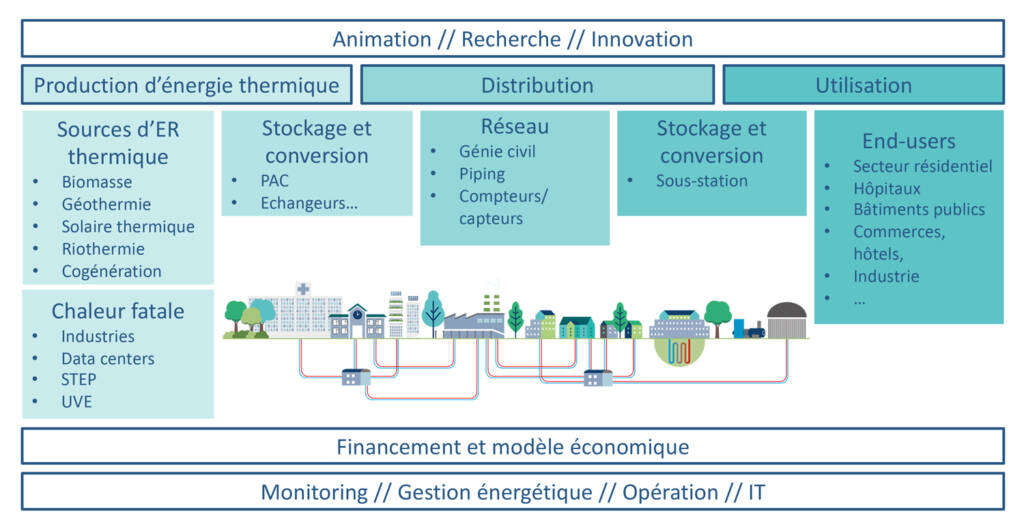
Value Chain
In Europe as well as in Wallonia, the need for heat (and cooling) for building heating (and air conditioning), domestic hot water and industrial processes accounts for 50% of energy consumption. Consequently, tackling the decarbonisation of thermal energy is entirely justified as an effective way to reduce greenhouse gas emissions.
With the increasing electrification that lies ahead, the pressure on electricity grids and the current geopolitical context, the flexibility and efficiency of electrical and thermal systems are crucial, both in production and distribution as well as in use.
This is why the trend is shifting primarily towards collective solutions such as geothermal installations, heat pumps (HP), and waste heat recovery, which are more effective for decarbonising a district or geographical area.
Production
Sources of Renewable Thermal Energy
Geothermal Energy
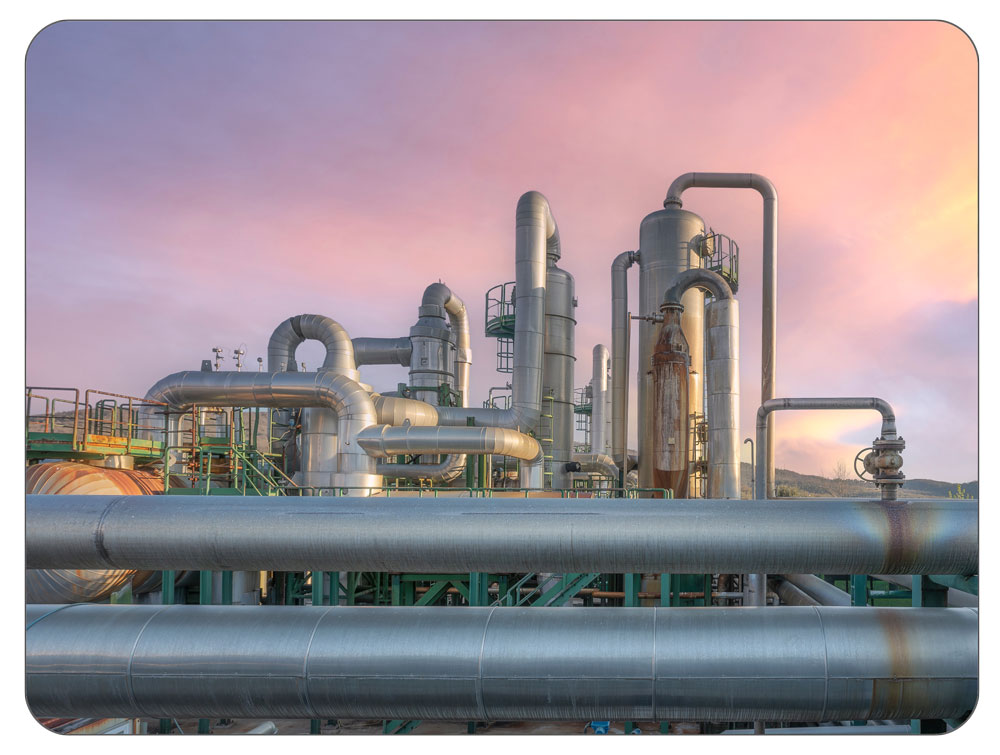
To decarbonise heat and cooling, geothermal energy is a key resource offering numerous advantages:
- Highly sustainable renewable energy source: Earth’s heat is practically inexhaustible on a human timescale
- Reduction of greenhouse gas emissions: Compared to fossil fuels, geothermal energy emits very little CO₂ and other greenhouse gases
- Stability and reliability: Unlike wind or solar power, geothermal energy is not affected by weather conditions or day/night cycles, providing a constant and predictable energy source
- Varied applications: Geothermal energy can be used for electricity generation, direct heating, air conditioning (via heat pumps), as well as for industrial and agricultural applications
- Energy efficiency: Geothermal installations have a high yield and can operate continuously
- Longevity of installations: Geothermal installations have a long lifespan, often several decades, making them a sustainable long-term investment
- Reduction of energy costs: Once geothermal installations are in place, operating costs are relatively low
- Small land footprint: Geothermal installations generally require less surface area compared to other forms of energy production, minimising the impact on the environment and landscape
In Wallonia, thanks to its geological diversity, the installation of all types of geothermal energy can be considered, with the exception of high-temperature geothermal energy (>150°C). The technology is considered mature at the low and medium temperature level. According to studies carried out, there is a real potential across the whole of Wallonia for low-temperature geothermal energy, and more locally, for medium-temperature geothermal energy.
Biomass

Residential Biomass
Wood heating has many virtues: it is economical, ecological, renewable and creates a warm atmosphere. It also offers great price stability and contributes to the development of the local economy.
Long associated with the chore of chopping wood and poor efficiency, wood heating today enjoys an excellent reputation thanks to the progress made over the last twenty years:
- energy efficiency has risen from 15 to over 70%
- pollutant emissions are well controlled
- autonomy is measured in tens of hours
A wide range of fuels
Logs, wood chips or pellets? Each type of fuel has its own characteristics in terms of budget, profitability and storage. It should be noted that each fuel requires a suitable combustion system. The type of wood species and the moisture content of the wood should also be taken into account when choosing a fuel.
Waste Heat
Waste heat – that is, heat that is neither recovered nor valorised from industrial processes – is also a valuable heat source that remains largely under-exploited. The recoverable waste heat potential is estimated at 4,500 GWh/year in Wallonia, which would cover 11% of the substitutable heat requirement (50 to 250 °C).
Heat Distribution
In areas with high thermal demand, the distribution of heat from the production source to the point of consumption takes place through a district heating network. Heat pumps (HPs) are used to raise the temperature level to that required for the intended use of thermal energy.
Three broad categories of HP can be distinguished:
- Aerothermal HPs: air is the heat source
- Hydrothermal HPs: water is the heat source
- Geothermal HPs: the ground is the heat source
The players
News & Events
Find out the latest news and upcoming events from our ecosystem!
•
Context
Through its “Heat Strategy” published in 2021 and updated in 2024, the Walloon Region had already established a framework for the development of sustainable heat by 2050. Twenty-eight measures had been defined in order to encourage the use of renewable energies and promote the deployment of green heat in Wallonia. Some fell within the legal and regulatory framework and led, for example, to the adoption of the subsoil decree, the AGW relating to the organisation of the thermal energy market and thermal energy networks (TEN), the modification of the permit system relating to open systems in shallow geothermal energy, and the AMUREBA reform. All these measures have contributed to making the legislative framework more favourable to the development of geothermal energy and thermal energy networks.
In its Air Climate Energy Plan (PACE) adopted on 21 March 2023, Wallonia set itself ambitious targets with a view to achieving carbon neutrality by 2050. With regard to renewable heat and cooling, a production of 15.6 TWh must be reached by 2030, representing a growth of 180% compared to the 2023 situation.
Beyond the production of renewable thermal energy, its distribution also needs to be developed through new thermal energy networks (TEN). This development of TENs is particularly justified in Wallonia because, as highlighted in the previously cited report, approximately 75% of substitutable residential and tertiary heat demand is located in areas with a linear density greater than 1.5 MWh/m/year, a value generally considered to be the minimum to ensure the economic viability of the network. In 2021, only 0.5% of heat was transported via the 58 km making up the 79 heat networks identified in Wallonia, whereas, according to strategic analyses, 30 to 70% of Wallonia’s thermal energy consumption should be covered via TENs. At the end of 2023, Wallonia launched a call for projects to support the deployment of ambitious TEN projects, through the densification or extension of existing urban networks, as well as through the creation of new networks. In the end, 12 projects were selected out of 19 submitted, for nearly €29 million in subsidies allocated, an amount corresponding to half of the total investment planned. These projects, spread across the whole of Wallonia, are due to be operational by the end of 2026.
At the European level, geothermal energy and heat networks have been developing more rapidly over the past two years, following the energy crisis. Heat demand in Europe is currently covered at a rate of 13% by thermal energy networks, and could reach 20% by 2030. Although dependence on gas persists in Europe, with 40% of gas consumption used to cover heating needs, many member states are willing to put in place national strategies to decarbonise the heating and cooling sector (France with its “Heat Fund”, Germany with its federal support for efficient heat networks (BEW), the Czech Republic and its “Modernisation Fund” to improve and extend its heat networks). Following the recent European elections, a continuation of the “Green Deal” programme can be expected, with an emphasis on the need to secure energy in Europe, making it competitive and accessible.

Louise Samain
Project Development • Heat2Net
www.linkedin.com/in/louise-samain/