H2Hub Ecosystem
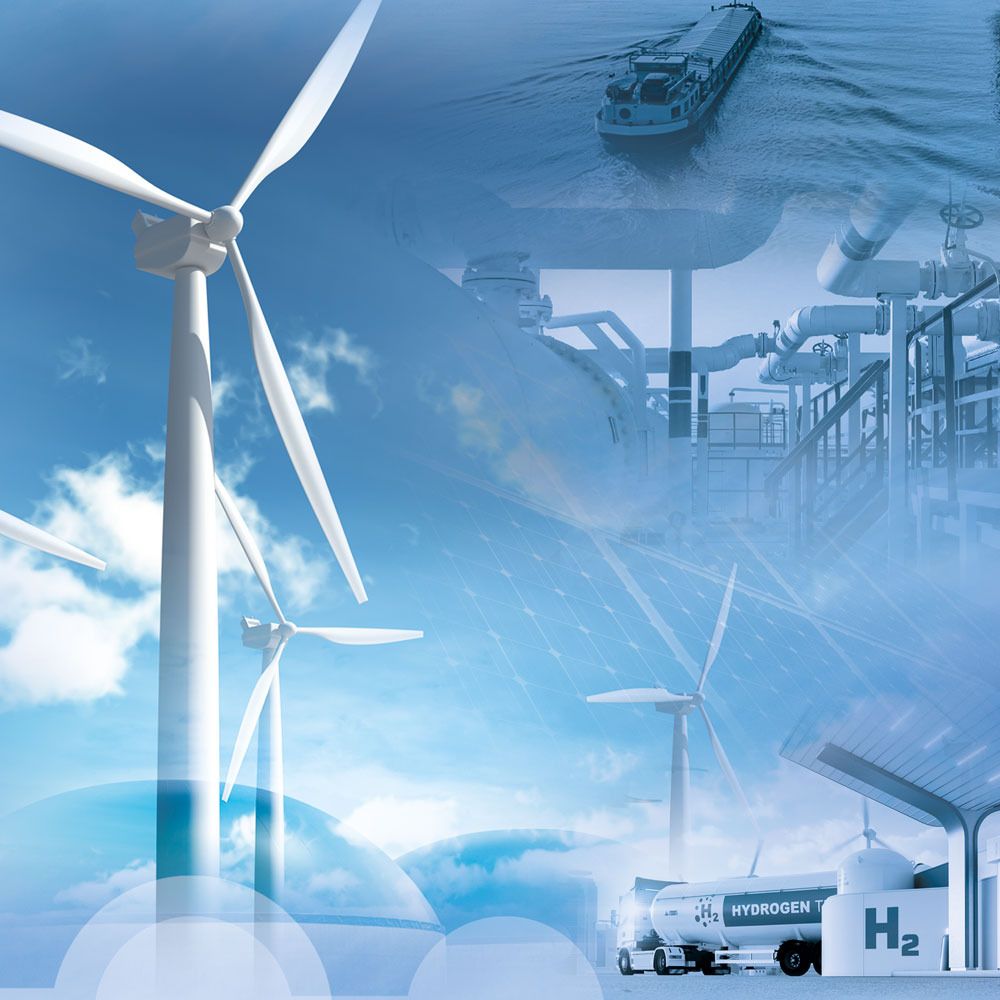
The future of green hydrogen sometimes sparks debate, particularly regarding certain of its applications. Yet one thing is certain: this sector will play an essential role in the years ahead, as it is indispensable for achieving the energy transition. It is for this reason that the Walloon Region approved in 2024 the Walloon strategic plan for the development of the hydrogen production and valorisation sector in Wallonia.
Since 2018, Cluster TWEED has been at the forefront of hydrogen innovation in Wallonia, leading initiatives such as the H₂Roadmap and founding its own ecosystem: H₂Hub Wallonia. These programmes have laid the foundations for a long-term hydrogen strategy, structuring a collaborative ecosystem supported by clear policy frameworks and implementation trajectories towards 2050.
Furthermore, in order to strengthen our position at national level and increase our visibility internationally, our H₂Hub ecosystem has merged with our Flemish counterpart, WaterstofNet, to found the Belgian Hydrogen Council>.
Value Chain
With the exception of natural hydrogen, hydrogen is not a primary energy source like natural gas or renewable energies (wind, solar, hydro). It must therefore be considered as an energy carrier, in the same way as electricity. The hydrogen value chain rests on three pillars: Production, Distribution and Storage, Use.
To support these three areas, stakeholders operate in a cross-cutting manner: research, innovation and training, technology and engineering, as well as consultancy services (financial, legal, technological and logistical).

Production
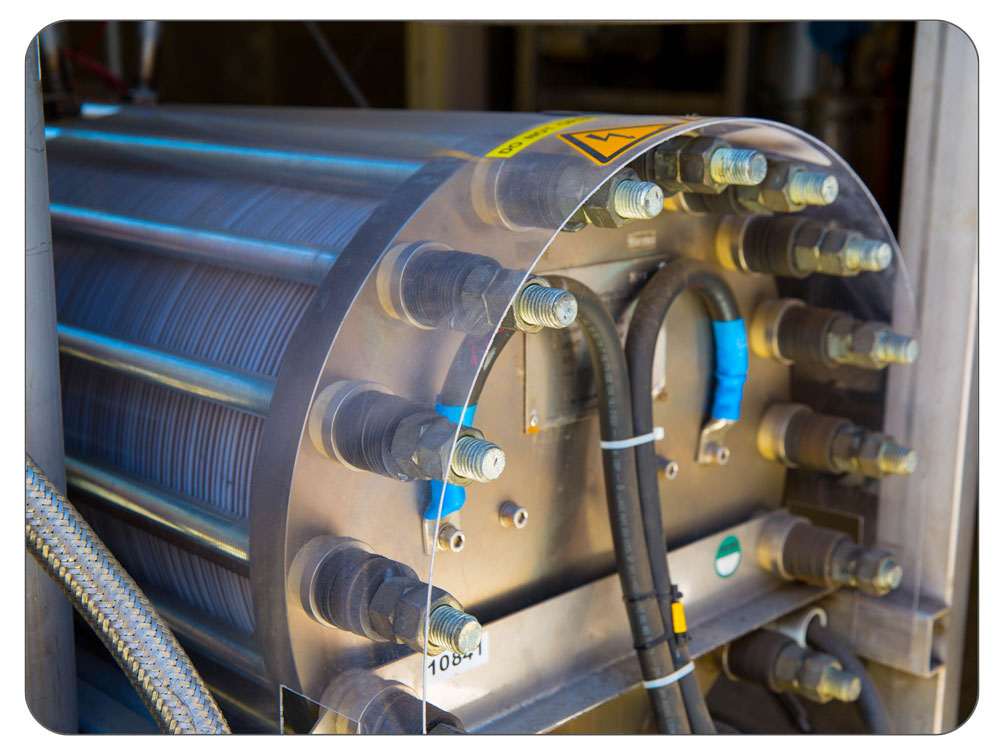
In Wallonia, the priority is the production of renewable hydrogen. However, the integration of low-carbon solutions such as plasmolysis or electrolysis powered by nuclear electricity could facilitate the start-up of the hydrogen sector within the energy mix.
The production of green hydrogen relies on the electrolysis of water, powered by electricity from renewable sources. This electrochemical process separates water into hydrogen and oxygen. In Wallonia, the preferred technology is the pressurised alkaline electrolyser, a field in which John Cockerill Hydrogen is a world leader.
Regarding the plasmolysis of natural gas, this less mature technology decomposes methane into hydrogen and solid carbon, without CO₂ emissions. It holds strategic interest for Wallonia, enabling the recovery of mine gases which, without capture, would be released into the atmosphere.
Distribution and storage
Given Belgium’s high energy consumption and limited territory, the country will not be able to become a major producer of green hydrogen. However, its strategic geographical position and transport infrastructure make it a future European hydrogen hub, similar to its current role in natural gas. Distribution and storage are therefore priorities.
Belgium is one of the first European countries to have designated an official operator for the development and management of a hydrogen transport network: Fluxys Hydrogen.
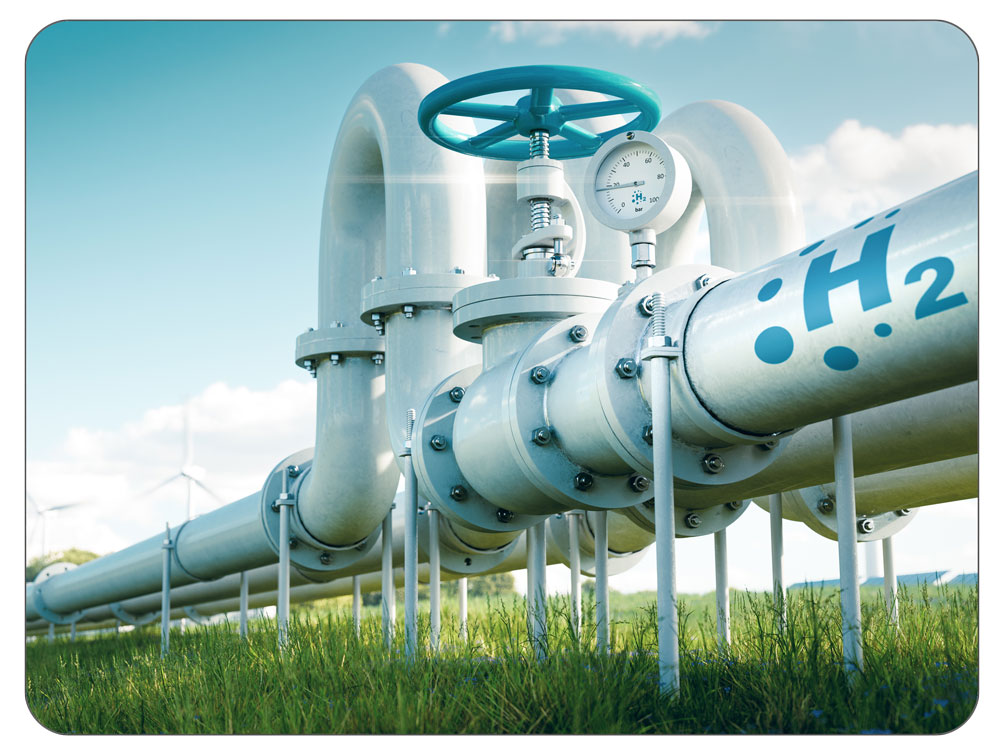
Use of Hydrogen
From a technological standpoint, given the various applications of hydrogen, it is essential to prioritise uses, as some applications are more urgent and strategic than others:
- Substituting grey hydrogen with green hydrogen in industries that already use it.
- Decarbonising industries that use natural gas in their chemical processes.
- Decarbonising industries that intrinsically produce CO2 through their production process (i.e. cement works).
- Targeting sectors that are difficult to electrify, such as very high-temperature furnaces and heavy-duty mobility.
Finally, it is important to bear in mind that priorities may vary depending on local circumstances. For example, in certain regions of the Netherlands where the electricity grid is already at capacity, hydrogen is being considered for the residential sector to enable the construction of new housing developments.
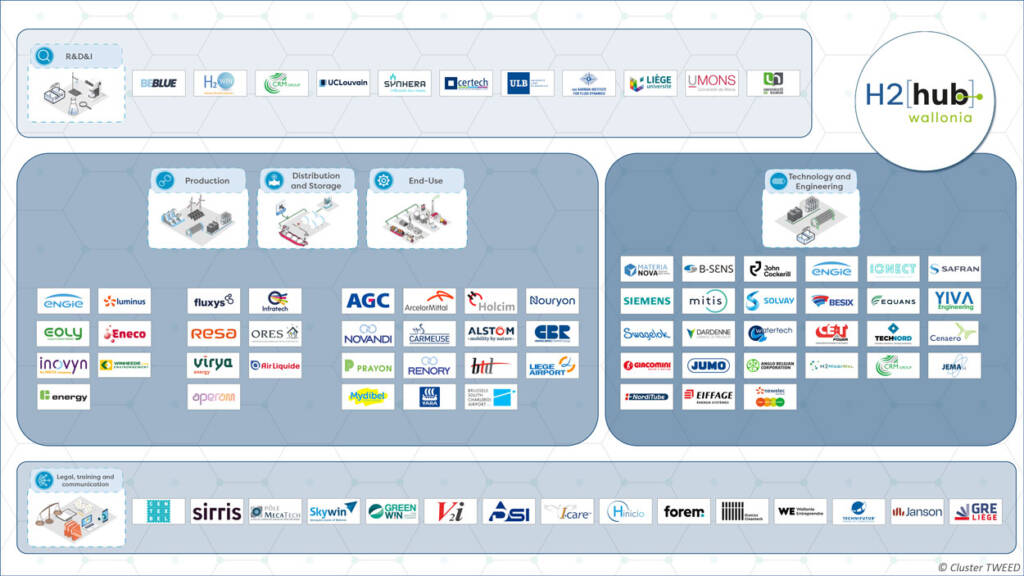
The Players
News & Events
Find out the latest news and upcoming events from our ecosystem!
•
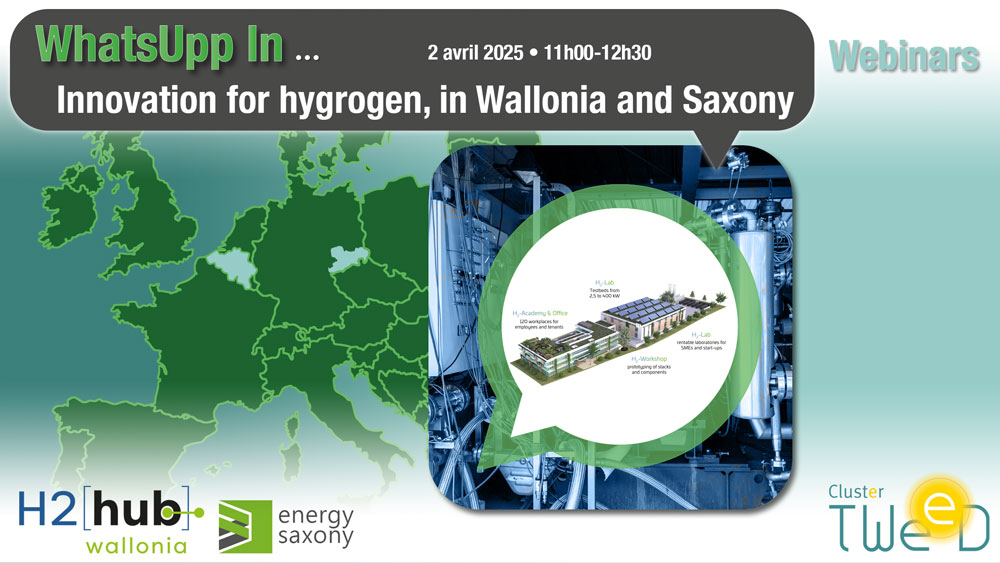
European Legislative Framework: A Strong Impetus for Green Hydrogen
From a regulatory perspective, several European legislative texts directly or indirectly influence the need to produce and use green hydrogen. The main directives concerned are RED III, ReFuelEU Aviation and ReFuelEU Maritime.
RED III: Ambitious Targets for 2030
The RED III Directive sets particularly high targets. By 2030, Belgium will need to consume at least 350,000 tonnes of renewable hydrogen (source : Belgian Hydrogen Council https://www.belgianhydrogencouncil.be/red-iii/), representing more than 10 TWh of green electricity, equivalent to almost the entirety of Belgian offshore wind production.
- RED III Industry: obligation to integrate a minimum of 42% renewable hydrogen in industrial consumption by 2030.
- RED III Transport: obligation to incorporate at least 1% of RFNBO (Renewable Fuels of Non-Biological Origin) in fuels.
These requirements highlight the urgency of the situation and explain Belgium’s strategy to become a European hub for low-carbon hydrogen, for both imports and exports. Indeed, Belgium will not be able to produce these enormous volumes on its own territory. It is therefore relying on its logistical assets (the ports of Antwerp and Zeebrugge, the interconnected gas network, and industrial corridors) to receive hydrogen flows from regions with high renewable potential and redistribute them across Europe
ReFuelEU Aviation
The ReFuelEU Aviation Directive sets ambitious targets for the use of RFNBO fuel in aviation: 1.2% by 2030, rising dramatically in subsequent years to reach 35% by 2050.
FuelEU Maritime
The FuelEU Maritime Directive does not directly impose the use of RFNBO fuel but does require a reduction in greenhouse gas emissions. This reduction will need to be 6% by 2030 and 80% by 2050.

Simon Habran
Project Development • H2Hub & Belgian Hydrogen Council
www.linkedin.com/in/simon-habran/